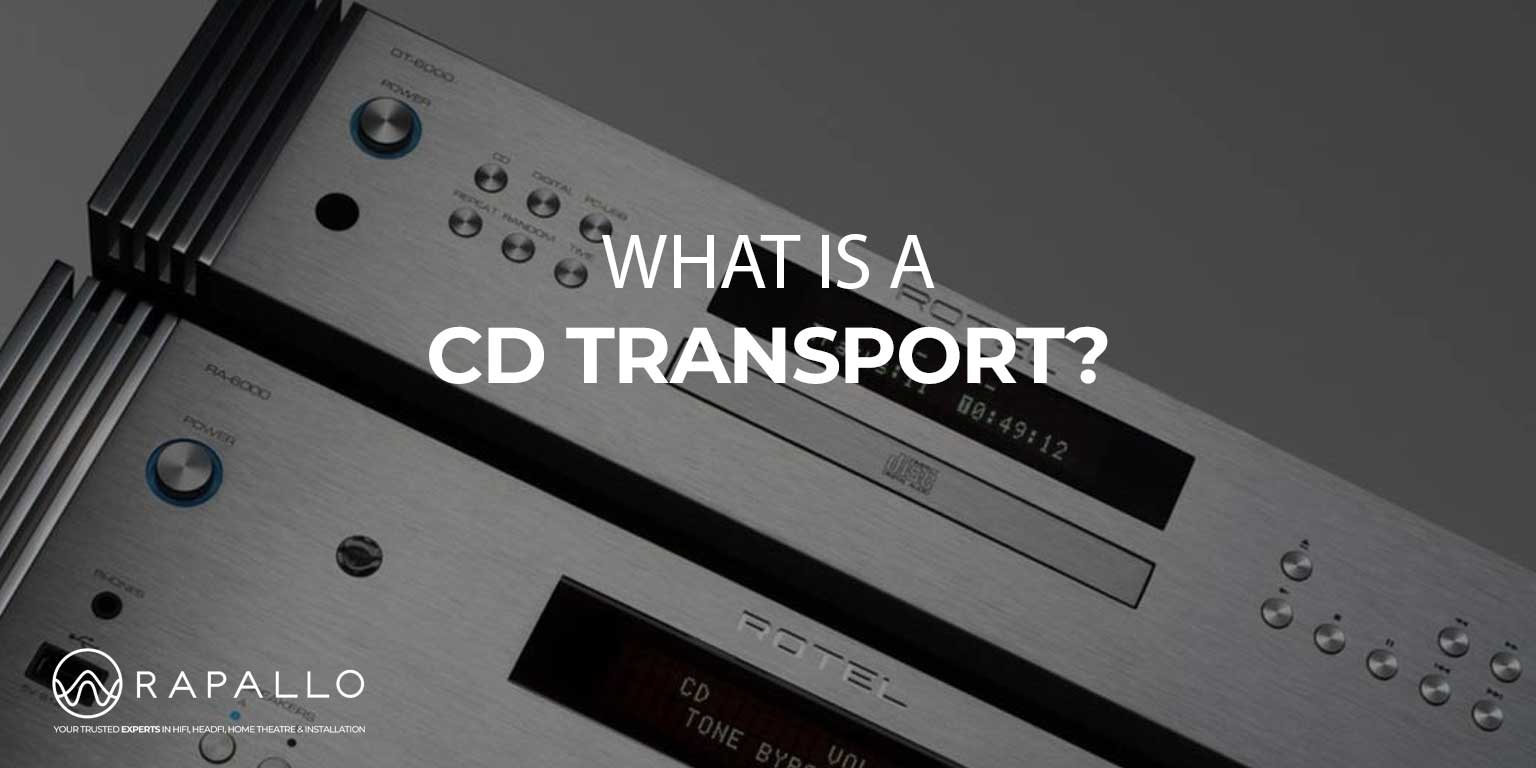
What Is a CD Transport?
Estimated reading time: 10 minutes
What Is a CD Transport, and Why Would You Use One?
Just when everyone thought music streaming had completely taken over, something interesting happened. CD playback started getting cool again. Not in a dusty “remember the 90s?” way, but in a proper hi-fi way. People are rediscovering their CD collections, buying physical music again, and realising that a well-mastered CD played through a quality system can still sound absolutely fantastic.
However, once you start looking at serious CD playback, you quickly run into three different product types: CD players, CD transports, and SACD players. They all spin shiny discs, so they must do the same thing, right? Not quite. In fact, understanding the difference can help you build a better digital front end and get far more from your disc collection.
A CD transport is the simplest to describe, but also one of the most misunderstood. A CD transport reads the digital data from a compact disc and sends that digital signal to an external DAC. That’s it. It does not convert the signal into analogue audio itself. It does not usually have RCA analogue outputs. It is purely a precision disc-reading machine designed to do one job extremely well.
Think of it as the turntable of the digital world. A turntable reads the groove, but still needs a phono stage. A CD transport reads the disc, but still needs a DAC. In both cases, separating the jobs can deliver better performance when the rest of the system is up to the task.
Table of Contents
- Quick Answer: What Is a CD Transport?
- CD Transport vs CD Player
- What About SACD Players?
- Quick Comparison Table
- Why Use a CD Transport?
- How to Implement a CD Transport Properly
- Which Digital Connection Should You Use?
- When Should You Choose a CD Player Instead?
- When Should You Choose a SACD Player ?
- Frequently Asked Questions About CD Transports
- Rapallo’s Take On This
Quick Answer: What Is a CD Transport?
A CD transport is a dedicated component that reads digital music data from a compact disc and sends that data to an external DAC (Digital-to-Analogue Converter). Unlike a CD player, a CD transport does not contain its own DAC or analogue output stage. It is designed for audiophiles who want to use a higher-quality external DAC to achieve better sound quality and greater system flexibility

CD Transport vs CD Player
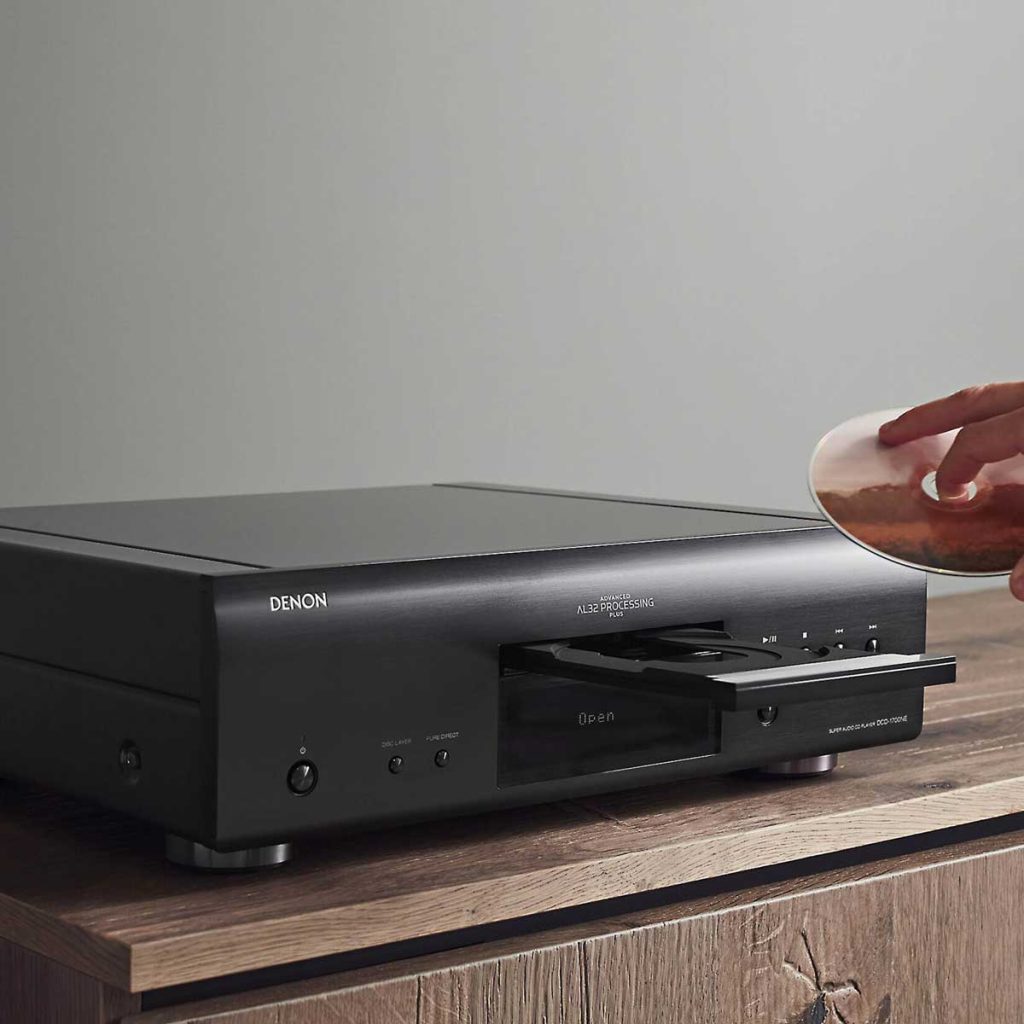
A traditional CD player is an all-in-one solution. It has a disc mechanism, digital processing, a DAC, and analogue output stage built into one chassis. You connect it to your amplifier using RCA or XLR analogue cables, press play, and enjoy.
A CD transport skips the internal DAC and analogue stage. Instead, it sends the digital signal out through connections such as coaxial, optical, AES/EBU, or I2S, depending on the model. Your external DAC then handles the conversion from digital to analogue.
This matters because the DAC and analogue output stage have a huge influence on sound quality. If you already own a high-quality standalone DAC, streamer-DAC, or integrated amplifier with a great internal DAC, a CD transport can be a smarter choice than buying a full CD player.
Rather than paying for another DAC inside a CD player, you are investing in a better disc mechanism, power supply, clocking, vibration control, and digital output stage.
What About SACD Players?
SACD players are a different beast again.
SACD stands for Super Audio CD, a high-resolution disc format developed to offer better-than-CD audio performance. Instead of standard PCM audio used by CDs, SACD uses DSD. Some SACD players can play both SACDs and standard CDs, which makes them versatile if you own discs in both formats.
However, SACD playback has some quirks. Due to copy protection rules, many SACD players do not output the native high-resolution SACD signal over standard optical or coaxial digital outputs. In many cases, SACD playback is only available through the player’s analogue outputs, or sometimes through HDMI on compatible systems.
So, if you have a large SACD collection, you need to think carefully about system matching. A standard CD transport will not play SACDs. A SACD player will. But if your main goal is getting the best from standard CDs using your favourite DAC, a dedicated CD transport may still be the cleaner and more focused choice.
Quick Comparison Table
| Feature | CD Transport | CD Player | SACD Player |
|---|---|---|---|
| Plays standard CDs | Yes | Yes | Yes |
| Plays SACDs | Usually no | Usually no | Yes |
| Built-in DAC | No | Yes | Yes |
| Analogue outputs | Usually no | Yes | Yes |
| Needs external DAC | Yes | No | No, unless used as transport for CD playback |
| Best for | Systems with a quality DAC | Simple CD playback | SACD and CD collections |
| Digital outputs | Yes | Often yes | Often yes, but SACD output may be restricted |
| Upgrade flexibility | Excellent | Moderate | Moderate |
| Typical sound advantage | Depends on external DAC | Depends on internal design | Best for SACD playback when well implemented |
Why Use a CD Transport?
The biggest reason is performance through separation.
A well-designed CD transport focuses on reading the disc accurately and delivering a clean digital signal. That means attention can be paid to things like:
- A stable disc mechanism
- Low-vibration chassis design
- Accurate clocking
- Low-noise power supply design
- Quality digital output circuitry
In a good system, these things matter. Digital audio may be “ones and zeros”, but timing, electrical noise, jitter, and signal integrity can still affect the final result. A better transport can sound more stable, more focused, and more natural when paired with a capable DAC.
It also makes upgrading easier. If DAC technology improves, you can upgrade the DAC and keep the transport. If you love your current DAC, you can add CD playback without changing the sonic character of your system.
How to Implement a CD Transport Properly
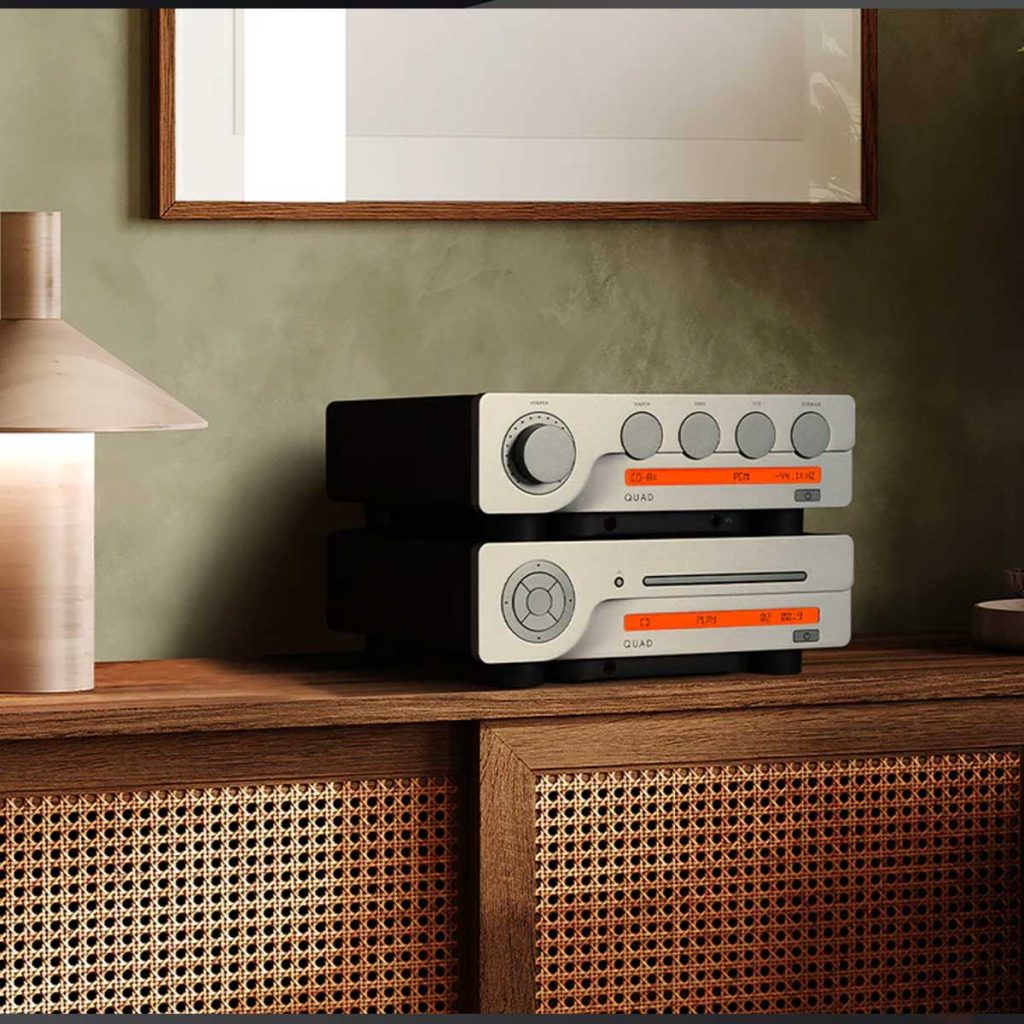
The most common setup is beautifully simple: CD Transport → Digital Cable → DAC → Amplifier → Speakers.
For many Rapallo customers, this makes sense when they already own a quality DAC, network streamer, or integrated amplifier with digital inputs. Instead of duplicating hardware, the transport becomes another high-quality source in the system.
For example, you might run a CD transport into a dedicated DAC, then into a stereo amplifier driving bookshelf or floorstanding speakers. This is a lovely solution for a serious two-channel system where music is the priority.
Another great option is connecting a CD transport to an integrated amplifier with a strong internal DAC. Many modern amplifiers now include excellent digital sections, so adding a transport can bring your CD collection back to life without adding unnecessary boxes.
For higher-end systems, some transports offer I2S or AES/EBU outputs. These can provide excellent results when matched with compatible DACs. However, don’t get too caught up in connection types. A good coaxial digital connection can sound superb when the equipment is well designed.
Which Digital Connection Should You Use?
Coaxial is often our first suggestion for CD playback. It is widely supported, stable, and capable of excellent sound.
Optical can also work well, especially when you want electrical isolation between components. However, the quality of optical outputs and cables can vary.
AES/EBU is a professional-style balanced digital connection found on some higher-end gear. It can be excellent, but both the transport and DAC need to support it.
I2S can be fantastic in the right system, but compatibility is not always universal. Always check before assuming one brand’s I2S output will work perfectly with another brand’s input.
When Should You Choose a CD Player Instead?
A CD player still makes perfect sense if you want simplicity.
If you do not already own a DAC, or if you prefer a one-box solution, a quality CD player is easy to live with. Plug it into your amplifier and you’re done.
This can be the better choice for systems where convenience, space, and straightforward setup matter most.
When Should You Choose a SACD Player?
Choose a SACD player if you own, or plan to collect, SACDs.
There are some truly beautiful SACD recordings available, especially in classical, jazz, and audiophile reissue catalogues. If that format matters to you, buy a player designed for it.
However, if your collection is mostly standard CDs, don’t assume an SACD player is automatically better. A dedicated CD transport with a great DAC may give you a more focused and flexible result.
Frequently Asked Questions About CD Transports
Not necessarily. A CD transport can deliver better performance when paired with a high-quality external DAC. However, a well-designed CD player can offer excellent sound quality and greater convenience because everything is housed in a single component.
Yes. A CD transport only reads and outputs digital data. You will need an external DAC or an amplifier with a built-in DAC to convert the signal into music you can hear through your speakers.
No. Most CD transports are designed specifically for standard compact discs. If you want SACD playback, you will need a dedicated SACD player or a universal disc player that supports the SACD format.
Absolutely. Many CDs contain excellent masterings that are not available on streaming platforms. CD playback also provides reliable, lossless audio quality without depending on internet connections, streaming subscriptions, or changes to online music catalogues.
A CD transport offers physical media playback with consistent sound quality and complete ownership of your music collection. Many audiophiles also enjoy the tactile experience of selecting and playing albums from a dedicated CD collection.
Rapallo’s Take On This
CD is far from dead. In fact, for many music lovers, it remains one of the most satisfying ways to enjoy an album. You get proper ownership, physical artwork, reliable playback, and often excellent sound quality.
A CD transport is ideal when you already have a DAC you love, or when you want to build a more serious digital front end with upgrade flexibility. A CD player is best when you want simple, elegant playback from one box. A SACD player is the right tool if you have a meaningful SACD collection and want access to that high-resolution format.
The best choice is not about which product sounds the most impressive on paper. It is about how it fits into your system.
At Rapallo, we love helping customers get more from their music collections, whether that means reviving a treasured stack of CDs, building a high-performance digital front end, or matching the right disc player with the right DAC and amplifier. Done well, CD playback can still sound wonderfully engaging, detailed, and musical.
And honestly, there is something pretty satisfying about pressing play on a real disc and sitting down to enjoy an album from start to finish.
- What Is a CD Transport?
 What Is a CD Transport, and Why Would You Use One? Just when everyone thought music streaming had completely taken…
 - Why Every Audiophile 2-Channel System Can Benefit From a Subwoofer
 For years, subwoofers were unfairly associated with home theatre explosions, rattling lounge windows, or neighbours filing complaints. But in the…
 - Understanding Turntable Cartridges
 Understanding Turntable Cartridges : how they shape your sound and how to choose the right one… At Rapallo, we often…
 - Setting Up a Projector for a Golf Simulator
 A great golf simulator isn’t just about the launch monitor and software, the projector is what sells the illusion. The…
 - What Streaming Platform Should I Use?
 PlayFi vs HEOS vs MusicCast vs BluOS: Which Whole-Home Audio System Is Right for You? Imagine this: you wake up,…
 - HDMI Cables Explained
 HDMI Cables Explained: What’s the Difference, and what AudioQuest Cables should you use?? Walk into any electronics store or browse…
 NZ AV specialists available to help before or after your purchase
 Over 1800 verified product reviews from genuine NZ verified purchasers
 Secure checkout & local warranty, we look after you
 NZ price match on identical products so you know you are getting the right price