
Why Every Audiophile 2-Channel System Can Benefit From a Subwoofer
Estimated reading time: 8 minutes
For years, subwoofers were unfairly associated with home theatre explosions, rattling lounge windows, or neighbours filing complaints. But in the audiophile world, a properly integrated subwoofer can be one of the single biggest upgrades you can make to a 2-channel music system.
Yes, even in a serious hi-fi setup.
In fact, many experienced audiophiles eventually discover that adding one, or even two, high-quality subwoofers can dramatically improve realism, scale, imaging, and musical immersion, whether you’re using bookshelf speakers or large floorstanders.
At Rapallo, this is something we discuss with customers regularly. Some people assume subwoofers are only for bass-heavy music or cinema systems. Others worry a subwoofer will “slow down” their stereo sound or make it bloated.
The truth is quite the opposite when it’s done properly.
Let’s break down why subwoofers make so much sense in a modern audiophile system.
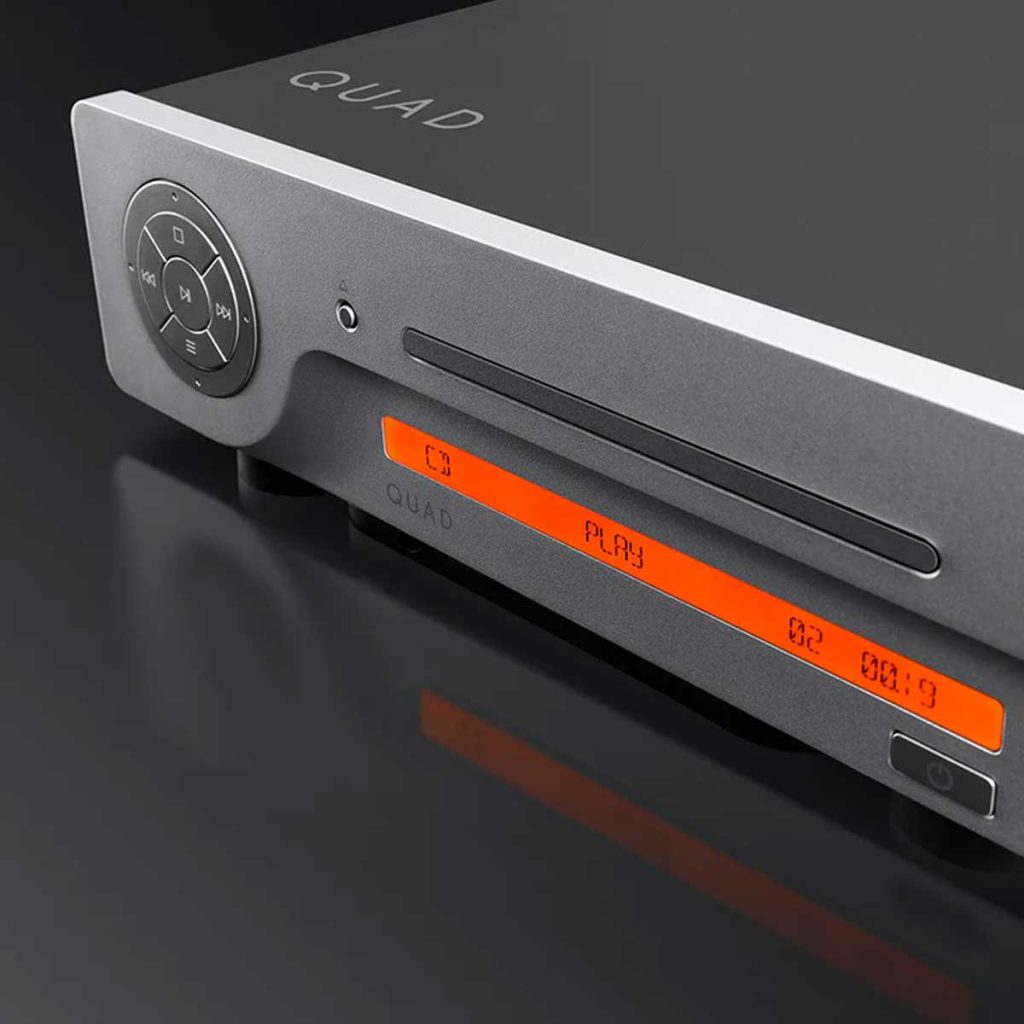
The Biggest Myth About Subwoofers
Let’s start with the misconception.
A subwoofer is not about “more bass. It’s about better bass.
That’s a huge difference.
A good subwoofer should not constantly draw attention to itself. Instead, it should seamlessly extend the frequency response of your speakers, filling in the lowest octaves that many speakers simply cannot reproduce accurately. So you don’t know its there, until you turn it off… and oh wow, that makes an amazing difference.
When integrated correctly, the sound becomes:
- Fuller
- More effortless
- More spacious
- More dynamic
- More realistic
And surprisingly, your main speakers often sound cleaner too.
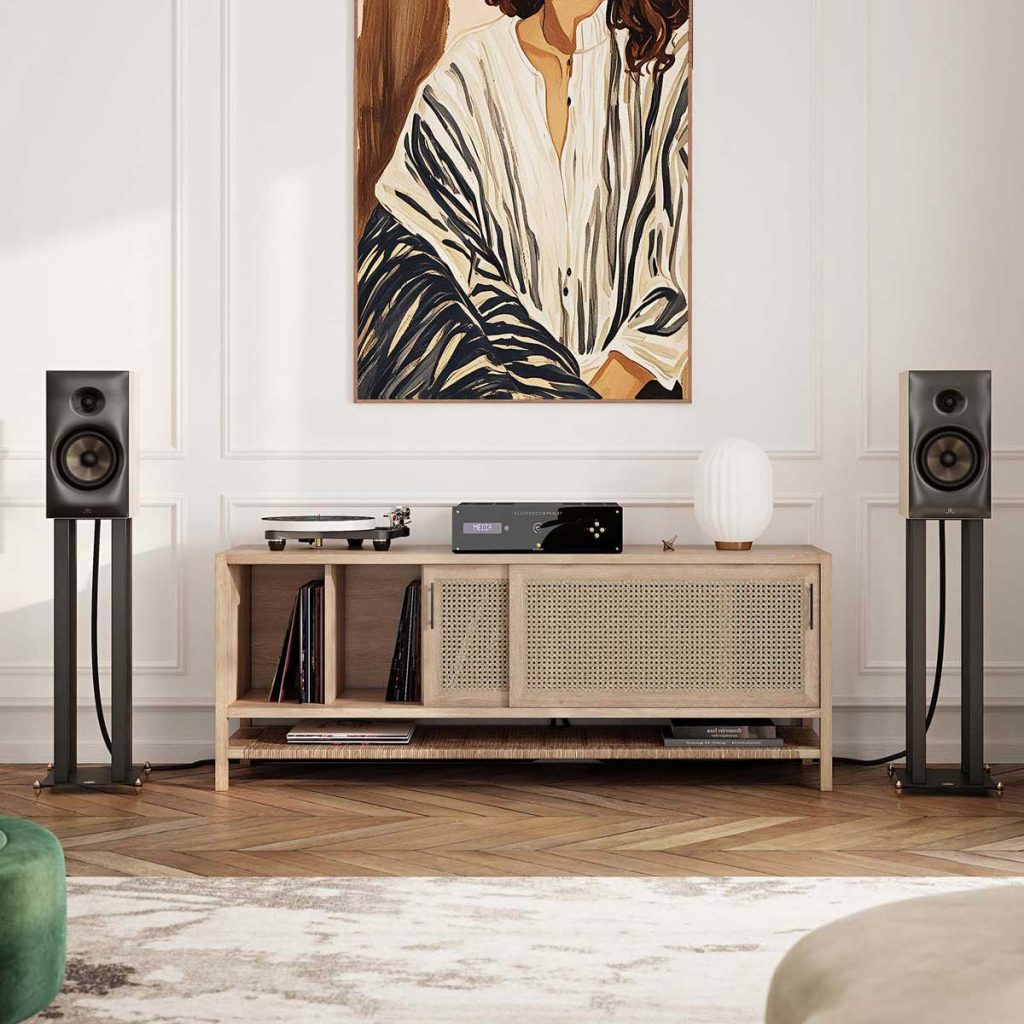
Why Bookshelf Speakers Benefit So Much
Bookshelf speakers are often incredibly precise.
Models from brands like Paradigm, Klipsch, ELAC, Triangle and SVS can produce stunning imaging and detail.
However, physics is physics. A smaller cabinet and smaller drivers usually mean reduced low-frequency extension.
Even excellent bookshelf speakers often begin rolling off somewhere between 45Hz, 60Hz, or sometimes higher. That means you’re missing a significant portion of the musical foundation, so a properly integrated subwoofer fills in that missing information.
Suddenly:
- Double bass sounds complete
- Kick drums have real impact
- Electronic music gains depth
- Orchestral recordings feel larger
- Vocals gain body and warmth
Most importantly, the entire presentation sounds more natural.

What Happens to the Main Speakers?
Here’s where things get interesting.
When a subwoofer handles deep bass duties, your main speakers no longer need to work as hard. This can improve:
- Midrange clarity
- Imaging
- Dynamics
- Overall openness
Your amplifier benefits too.
Deep bass requires enormous power. Relieving your amp from reproducing the lowest frequencies can free up headroom and improve overall performance.
This is one reason high-end audiophile systems increasingly use subwoofers, even with premium speakers.
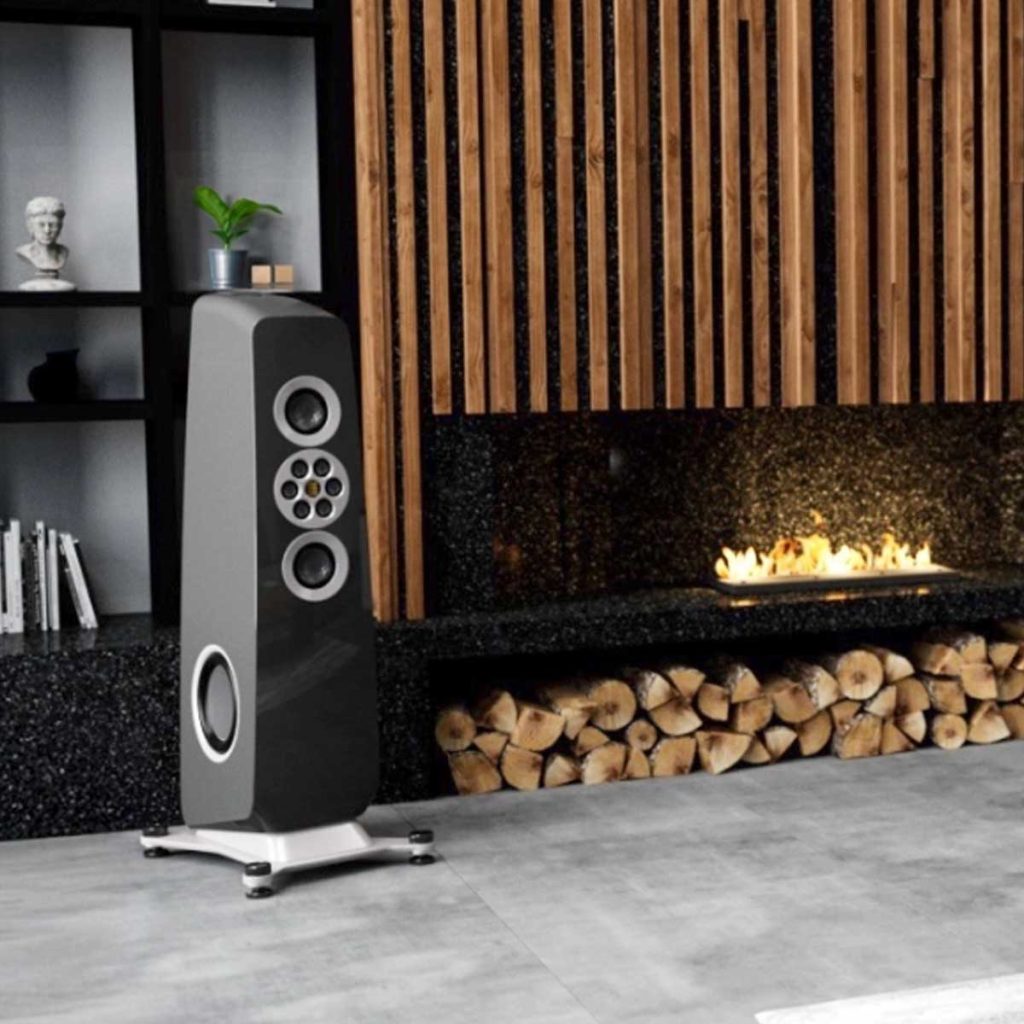
But What About Floorstanding Speakers?
This is where opinions often split. Many people assume large floorstanders don’t need a subwoofer.
Sometimes that’s true. Sometimes it absolutely isn’t.
Even excellent floorstanders can benefit from subwoofers because bass extension is only part of the equation.
A dedicated subwoofer often provides:
- Better room integration
- More controlled low frequencies
- Greater scale
- Improved transient response
- Lower distortion
For example, a quality REL or SVS subwoofer can reproduce deep bass with authority and control that many floorstanding speakers simply cannot achieve alone.
Even impressive speakers from Paradigm or Klipsch can sound dramatically larger and more effortless when paired correctly with a musical subwoofer.

Why REL Became So Popular With Audiophiles
REL essentially helped redefine what audiophile subwoofers could be.
Rather than focusing purely on cinematic impact, REL designed subwoofers specifically to blend seamlessly with stereo music systems.
Their philosophy centres around:
- Speed
- Musicality
- Integration
- Timing
REL’s high-level speaker connection method is particularly loved in 2-channel systems because it allows the subwoofer to receive the same sonic signature as the main speakers.
The result feels incredibly cohesive.
A properly integrated REL often disappears entirely into the soundstage. You don’t hear “the subwoofer.” You simply hear a bigger, more believable performance.
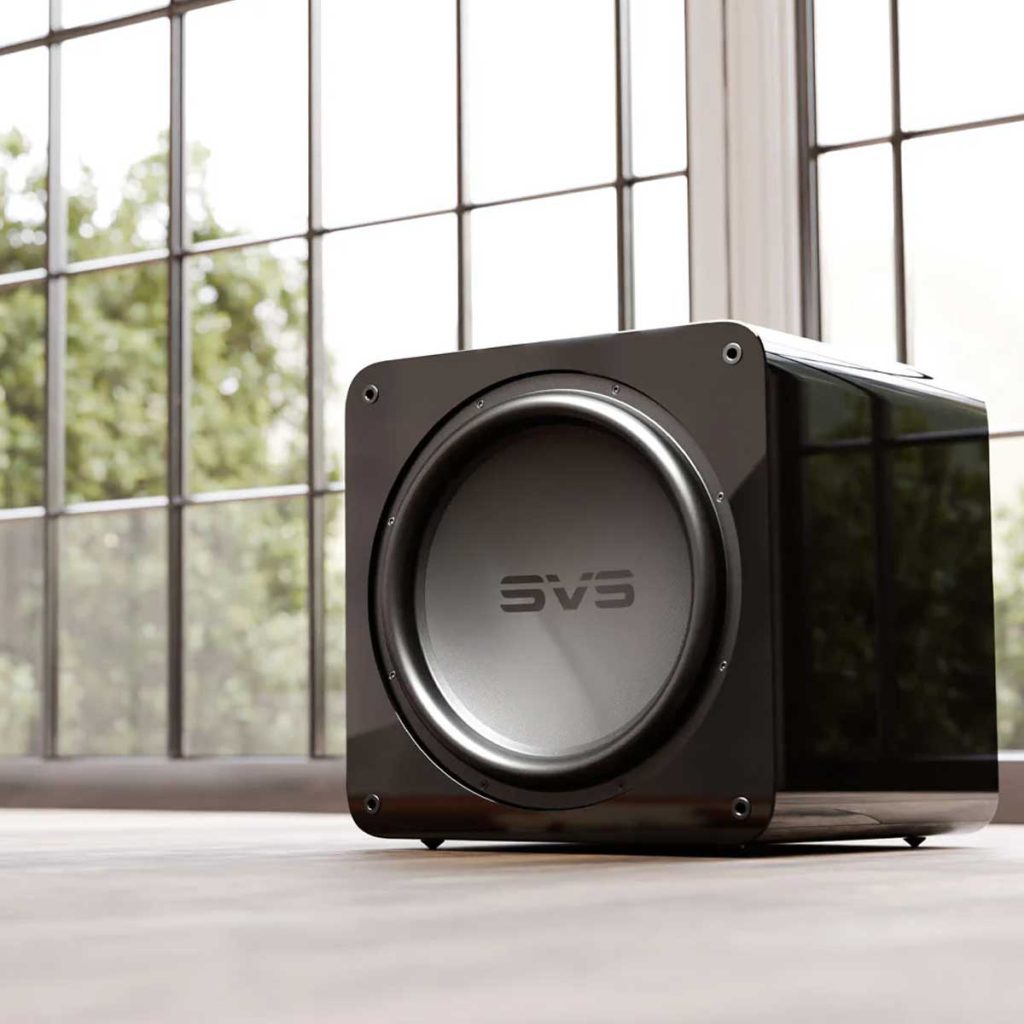
SVS: Precision and Flexibility
SVS has become hugely popular because they combine serious performance with outstanding tuning flexibility.
For audiophile systems, their models offer exceptional control and musicality.
The sealed cabinet designs are particularly well suited to stereo listening because they provide:
- Tight transient response
- Excellent articulation
- Controlled low-end extension
The SVS app control system is also brilliant for fine-tuning integration without constantly reaching behind the cabinet
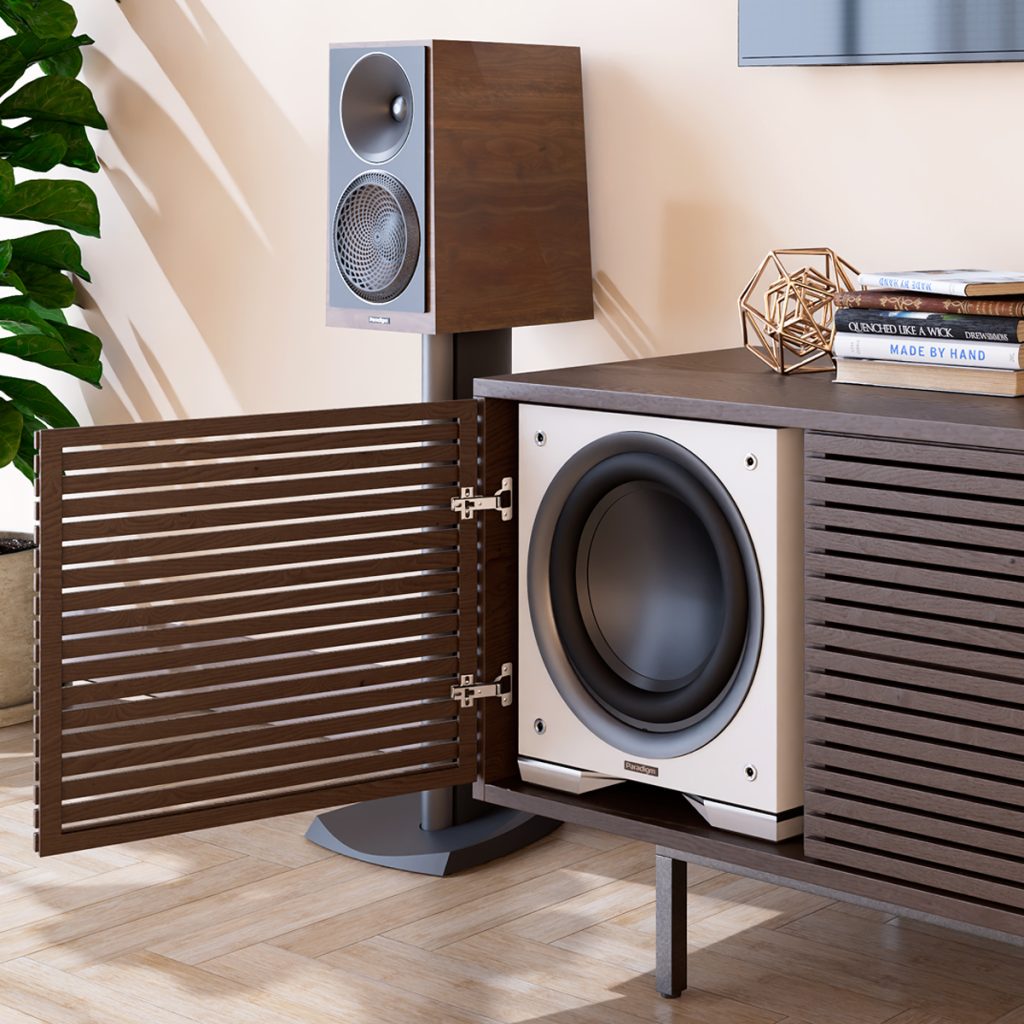
Paradigm Subwoofers and Balanced Performance
Paradigm subwoofers strike a fantastic balance between musicality and power.
Their strengths often include:
- Fast bass response
- Excellent integration
- Strong DSP control
- Great value performance
Pairing Paradigm speakers with Paradigm subwoofers can create a wonderfully cohesive sonic character.
For listeners wanting deep bass without sacrificing stereo precision, Paradigm remains a seriously underrated option in our opinion.
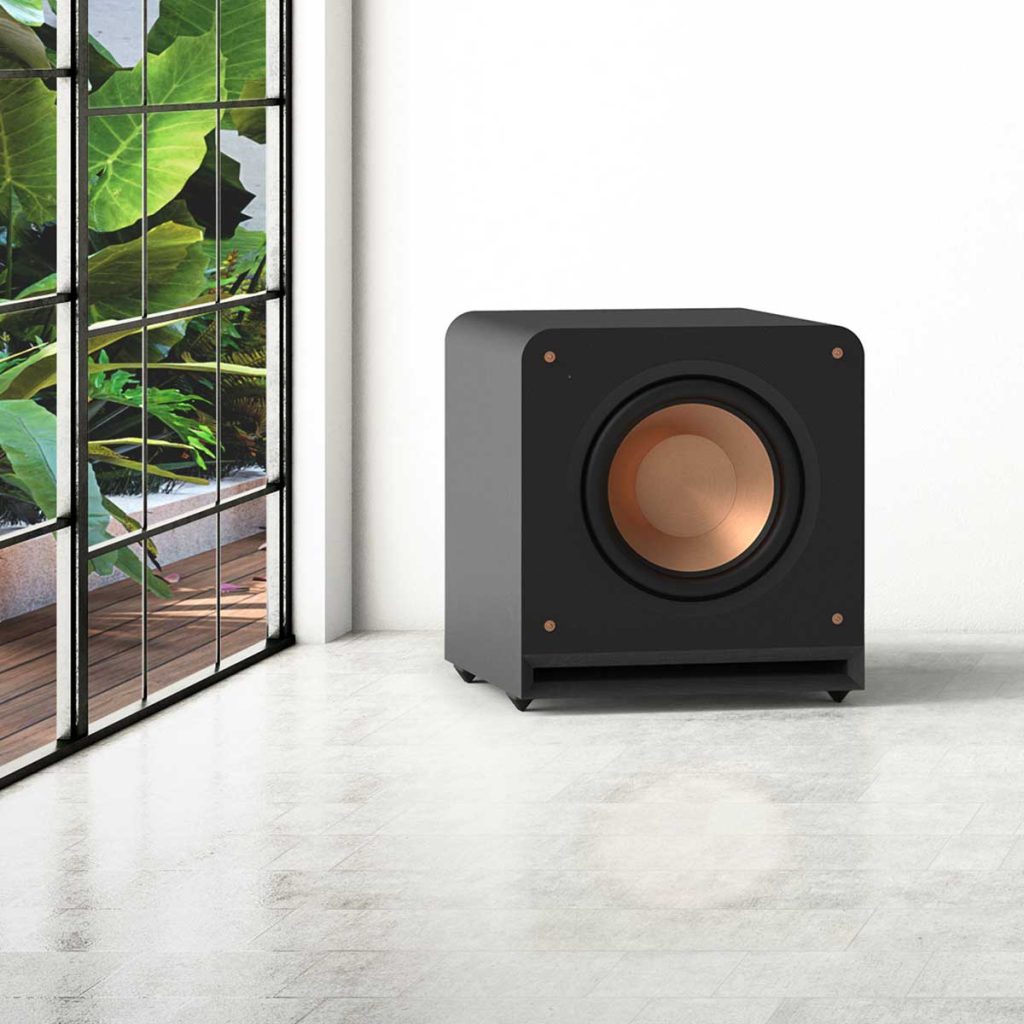
Klipsch and Dynamic Impact
Klipsch systems already deliver incredible energy and live-performance dynamics.
Adding a properly matched subwoofer can elevate that experience even further.
Particularly for:
- Rock
- Live recordings
- Electronic music
- Concert Blu-rays
- Jazz percussion
Klipsch subwoofers often bring tremendous physicality and excitement to a stereo system.
The key is restraint. Too much bass can overwhelm the famous Klipsch clarity. Correct setup is everything.
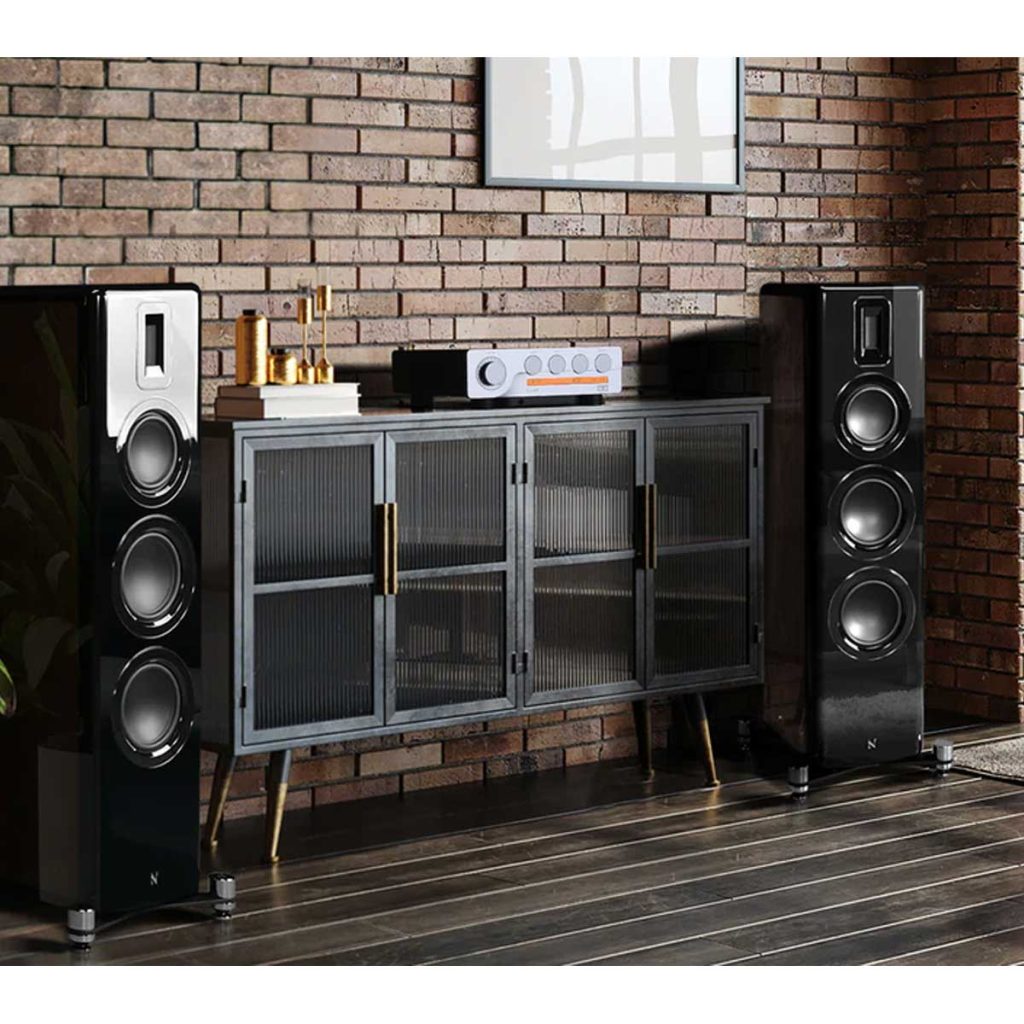
The Importance of Proper Integration
This is where many subwoofer setups fail. A great subwoofer poorly integrated can sound terrible.
Common mistakes we see when include:
- Subwoofer volume too high
- Incorrect crossover settings
- Poor room placement
- Phase mismatch
- Trying to create “cinema bass” in a music system
The best subwoofer integration is often subtle. You should notice it most when it’s turned off.
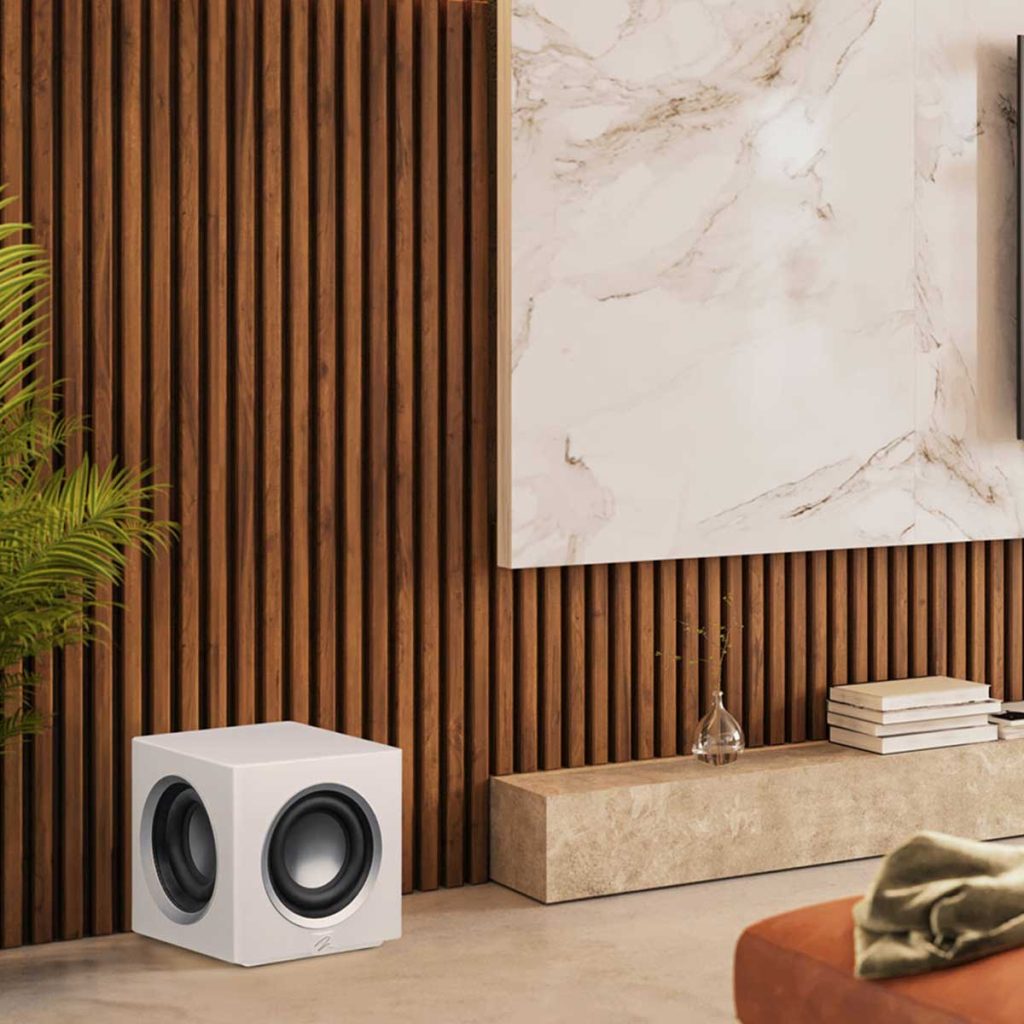
One Subwoofer or Two?
Multiple subwoofers are becoming increasingly popular in audiophile systems.
Not because they necessarily produce more bass, but because they can dramatically improve room consistency.
Benefits often include:
- Smoother bass response
- Better room balance
- Improved imaging
- Reduced room modes
- More even listening experience
Two smaller subwoofers properly positioned can outperform one massive subwoofer in many rooms and provides far more flexibility in room calibration.
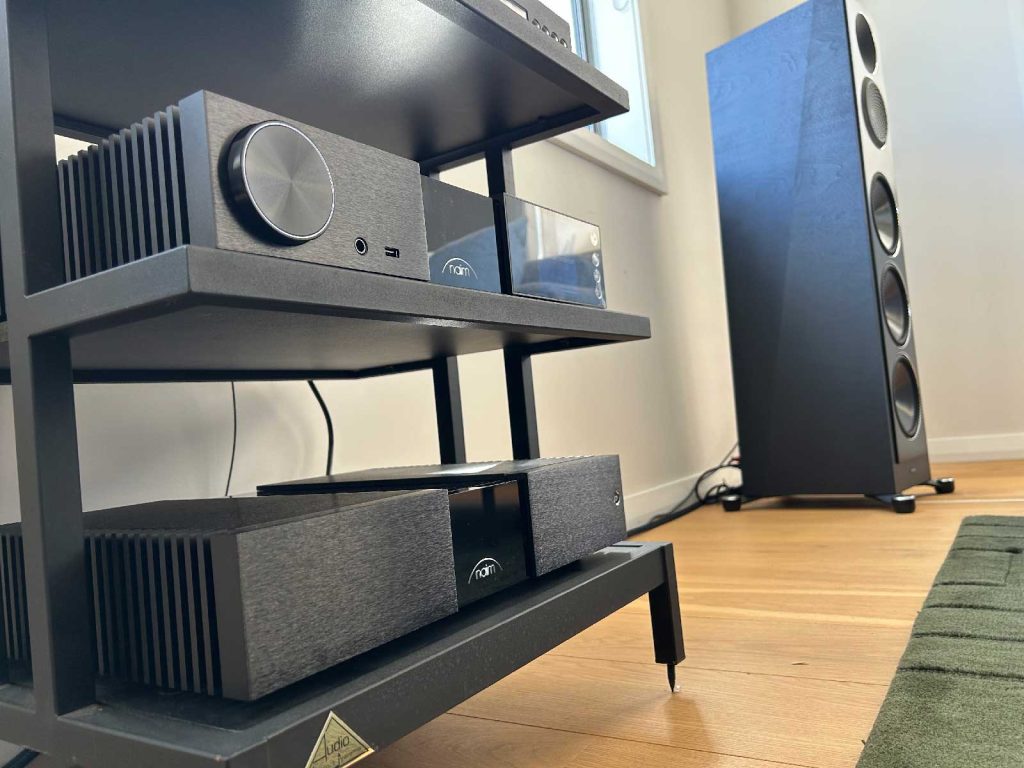
Our Teams Final Thoughts
A well-integrated subwoofer is not about shaking the house. It’s about unlocking the full potential of your music system.
Whether you’re running compact bookshelf speakers or premium floorstanders, the right subwoofer can add:
- Depth
- Scale
- Texture
- Authority
- Realism
And once you hear a properly dialled-in stereo system with quality low-frequency support, it’s very difficult to go back.
It’s important to remember that the purpose of adding a subwoofer is to complete the full frequency range of the system, allowing listeners to experience the entire picture of the recording. Because of this, the quality and performance of the subwoofer should be well matched to the quality of the speakers. Otherwise, instead of elevating the system’s performance, the subwoofer can actually reduce overall clarity, balance, and musicality.
At Rapallo, we regularly help customers integrate musical subwoofers into high-end 2-channel systems using brands like SVS, REL, Paradigm, and Klipsch. When matched and tuned correctly, the improvement can be genuinely transformative, not just in bass performance, but across the entire listening experience.
Talk to us today to find out more – email us via [email protected] or call us 092744515.
- Why Every Audiophile 2-Channel System Can Benefit From a Subwoofer
 For years, subwoofers were unfairly associated with home theatre explosions, rattling lounge windows, or neighbours filing complaints. But in the…
 - Understanding Turntable Cartridges
 Understanding Turntable Cartridges : how they shape your sound and how to choose the right one… At Rapallo, we often…
 - Setting Up a Projector for a Golf Simulator
 A great golf simulator isn’t just about the launch monitor and software, the projector is what sells the illusion. The…
 - What Streaming Platform Should I Use?
 PlayFi vs HEOS vs MusicCast vs BluOS: Which Whole-Home Audio System Is Right for You? Imagine this: you wake up,…
 - HDMI Cables Explained
 HDMI Cables Explained: What’s the Difference, and what AudioQuest Cables should you use?? Walk into any electronics store or browse…
 - How To Set Up An Audiophile Network Switch
 How to Set Up an Audiophile Network Switch: A Guide for Better Sound Quality As high-resolution music streaming becomes the…
 - Ground Cables and Turntables
 Ground Cables and Turntables, time to separate electrical fact from audiophile folklore – at least we will try. Among the…
 - What Are Planar Magnetic Headphones?
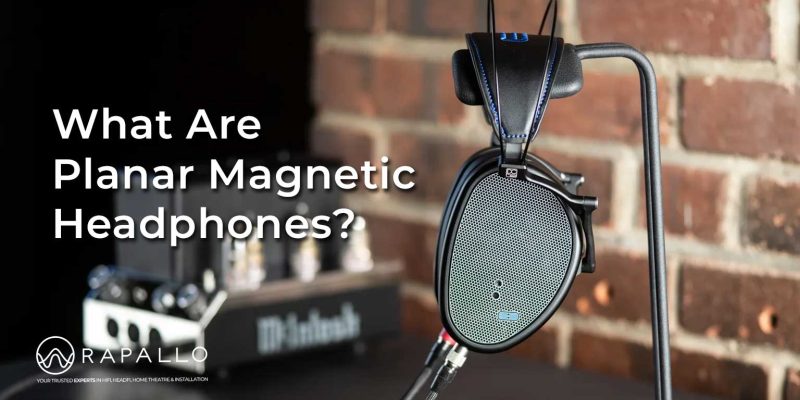 So what are Planar Magnetic Headphones? Here is our guide for curious HeadFi listeners. If you’ve spent any time browsing…
 - Open-Back vs Closed-Back
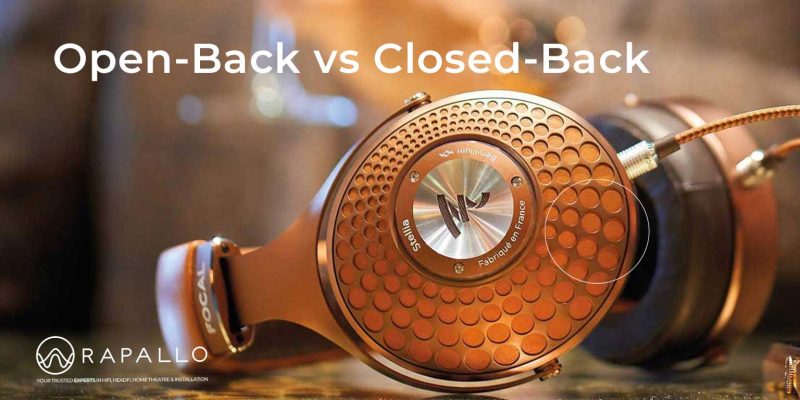 Ah, headphones and Open-Back vs Closed-Back… Your loyal companions through late-night jam sessions, endless Zoom calls, and those “I’m totally…
 NZ AV specialists available to help before or after your purchase
 Over 1800 verified product reviews from genuine NZ verified purchasers
 Secure checkout & local warranty, we look after you
 NZ price match on identical products so you know you are getting the right price