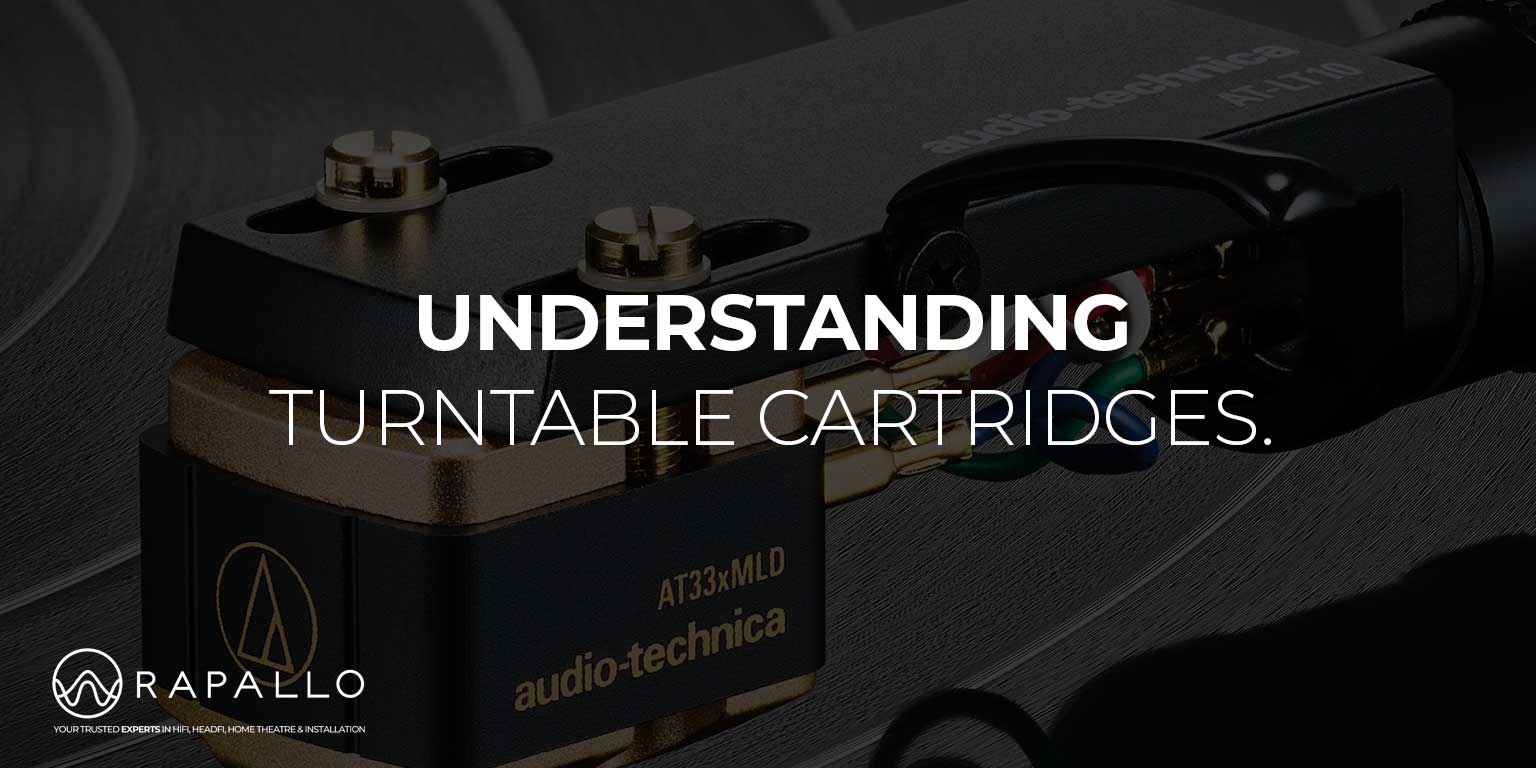
Understanding Turntable Cartridges
Estimated reading time: 9 minutes
Understanding Turntable Cartridges : how they shape your sound and how to choose the right one…
At Rapallo, we often say that your turntable cartridge is where the magic truly begins. It is the first point of contact between your vinyl and your system, and arguably the most influential component when it comes to shaping your sound. You can have an exceptional turntable and amplifier, but if the cartridge is not right, you are leaving performance on the table (so to speak)
This guide breaks down the different types of cartridges, how they affect sound, and some deeper audiophile tips to help you get the most out of your vinyl setup.
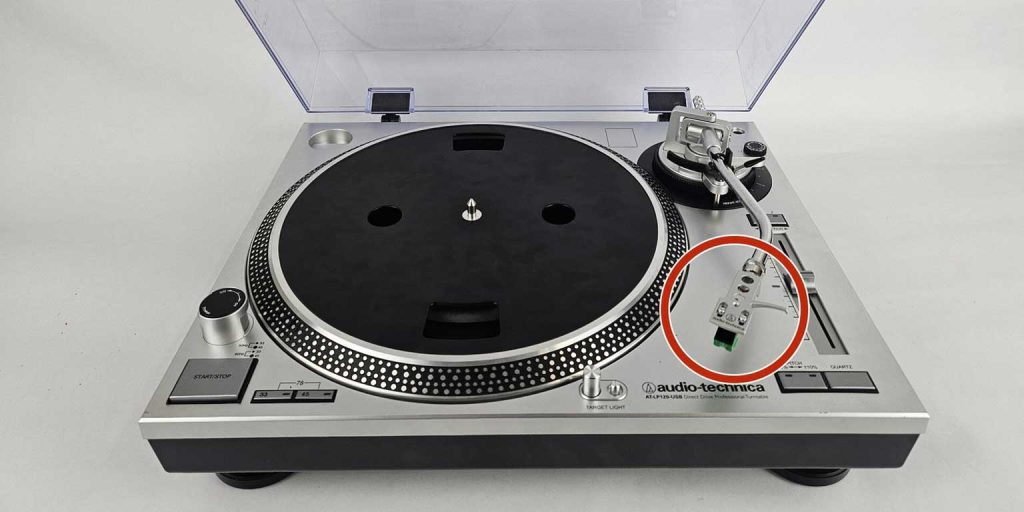
What Does a Cartridge Actually Do?
A cartridge converts the tiny physical movements of your record grooves into an electrical signal. The stylus, or needle, tracks the groove, the cantilever transfers those vibrations, and the generator inside the cartridge turns them into music.
Every design decision in a cartridge influences how your system ultimately sounds, from tonal balance to detail retrieval and even soundstage.
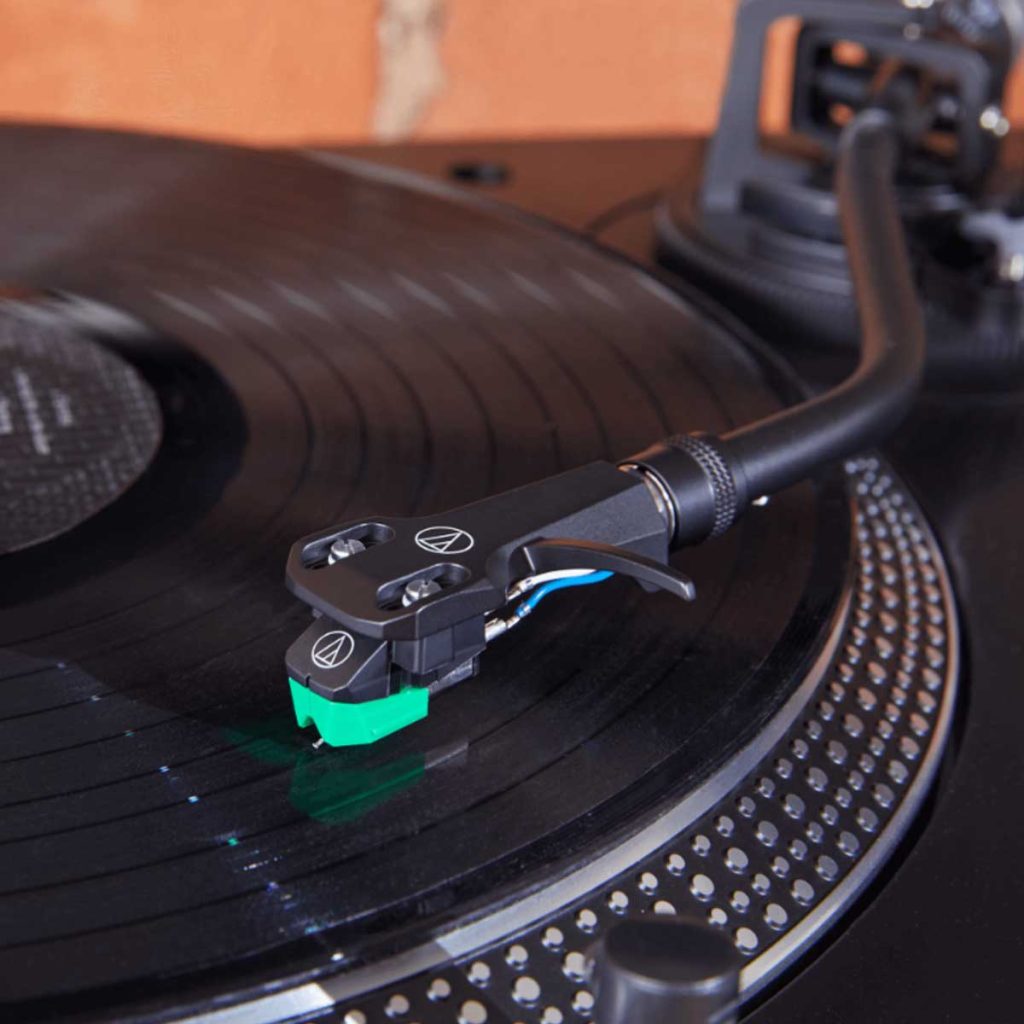
The Two Main Types of Cartridges – Moving Magnet (MM)
Moving Magnet cartridges are the most common and widely used type, especially in entry to mid-level setups.
How they work: A small magnet attached to the cantilever moves within fixed coils, generating the signal.
Sound characteristics:
- Warm, full-bodied presentation
- Forgiving of imperfect records
- Smooth treble, less aggressive
- Strong bass presence
Pros:
- Affordable
- Replaceable stylus, cost effective long term
- Compatible with most phono inputs
Cons:
- Slightly less detail and resolution compared to MC
- Can sound a bit “rounded” at the top end
At Rapallo, we often recommend MM cartridges for listeners who prefer a fuller, more forgiving presentation, or those building their first serious vinyl system.
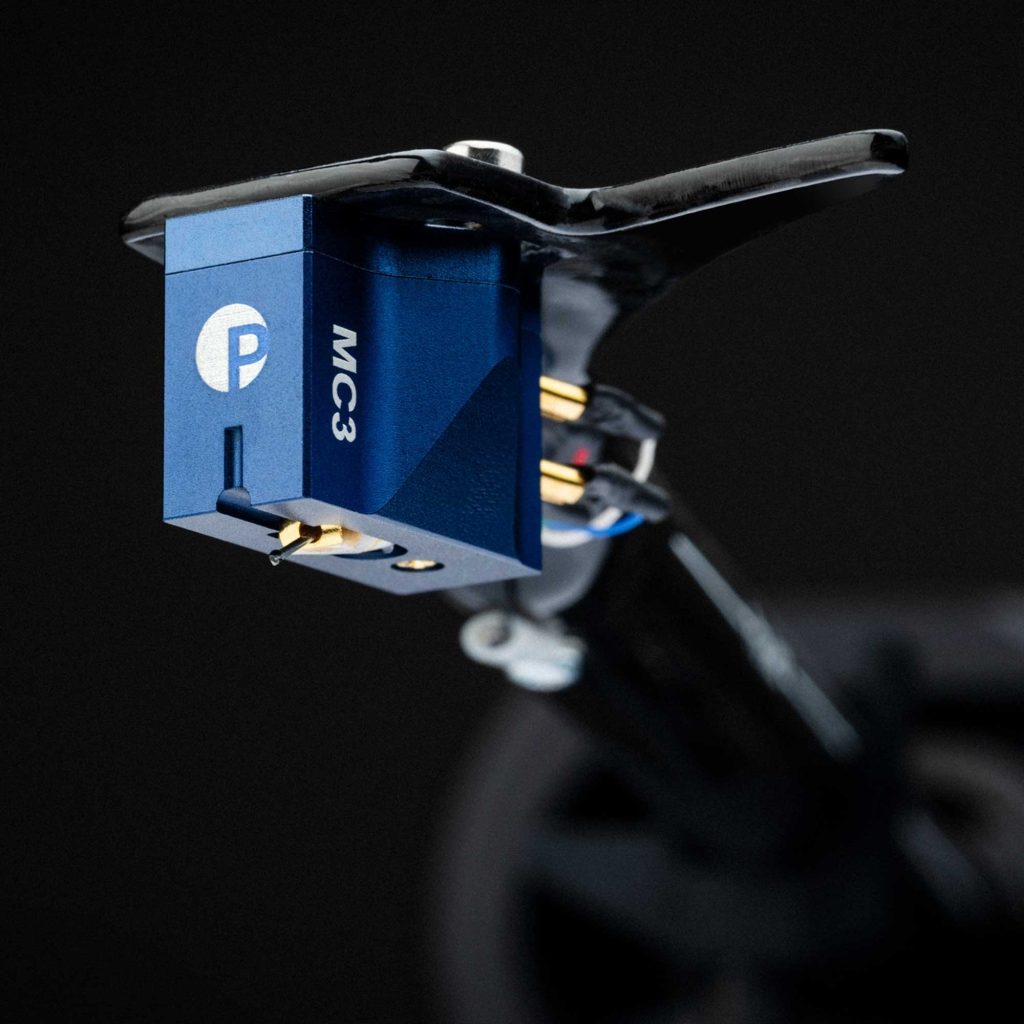
The Two Main Types of Cartridges – Moving Coil (MC)
Moving Coil cartridges are typically found in higher-end setups and are known for their precision.
How they work: Instead of a magnet, tiny coils are attached to the cantilever and move within a magnetic field.
Sound characteristics:
- Exceptional detail and transparency
- Wider soundstage and imaging
- Faster transient response
- More refined treble
Pros:
- Higher resolution and realism
- Superior micro-detail retrieval
- More “live” presentation
Cons:
- More expensive
- Stylus is usually not replaceable
- Requires a dedicated MC phono stage or step-up transformer
For audiophiles chasing that last 10 to 20 percent of performance, MC cartridges are often the upgrade that transforms a system.
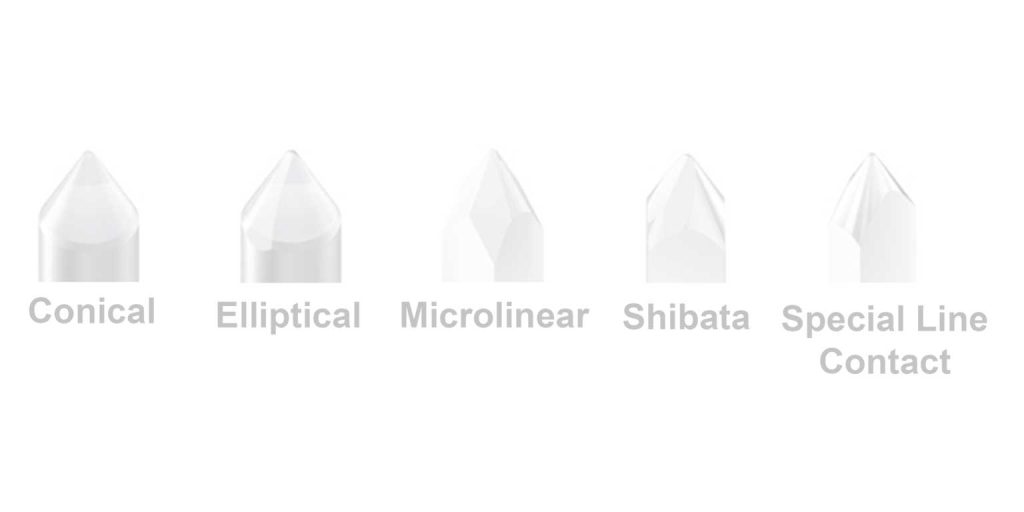
Stylus Shapes, This is Where Sound Gets Really Interesting
Beyond MM vs MC which we are talking about , the stylus profile has a huge impact on how your music sounds too.
Conical (Spherical) – The simplest and most affordable, it also (as the name suggests) has a rounded tip.
Sound = Smooth, forgiving, less detailed, great for older or worn records
Elliptical – These have a more precise contact with the groove on the record.
Sound = Improved detail and clarity, better tracking than conical, balanced performance
Microline / Shibata / Line Contact – These are advanced profiles where high-end performance begins. These stylus types dig deeper into the groove, literally extracting more information from your record.
Sound = Exceptional detail retrieval, extended high frequencies, more accurate groove tracing, reduced distortion, especially on inner grooves
How Cartridges Change Your Sound
Choosing a cartridge is not just about “better” or “worse”, it is about synergy and preference. Also your ear is really important, so sometimes we suggest you bring in your turntable, as that’s also an important consideration. Here are some key sonic differences you will notice:
1. Tonal Balance
Cartridges vary in their tonal character, ranging from warm and full-bodied to neutral or more revealing in the high frequencies
- Warm cartridges can add body and smoothness, often pairing well with more forward-sounding systems
- Neutral cartridges aim to present recordings with minimal coloration
- More revealing cartridges can highlight detail and transient energy, depending on system matching
2. Detail vs Musicality
- MM cartridges tend to prioritise flow and musicality
- MC cartridges emphasise detail and separation
The right choice depends on whether you want to relax into the music or analyse every layer. Are you a detailed person or just someone who wants to listen and doesn’t worry about the small detail.
3. Soundstage and Imaging
Higher-end cartridges, especially MC designs, tend to:
- Create a wider and deeper soundstage
- Place instruments more precisely
- Deliver a more “3D” listening experience
4. Tracking Ability
Better cartridges track grooves more accurately:
- Less distortion
- Cleaner high frequencies
- Improved performance on complex passages
Matching Your Cartridge to Your System
This is where Rapallo’s experience really comes into play, as a cartridge should never be chosen in isolation.
1. Consider your tonearm
- Compliance must match the tonearm mass
- Poor matching leads to resonance issues
2. Consider your phono stage
- MM and MC require different gain levels
- Loading settings can significantly affect sound
3. Consider your speakers
- Detailed cartridges pair well with warm speakers
- Warm cartridges balance more analytical speakers
Now that you understand the basics, here are some deeper insights for serious vinyl enthusiasts.
Rapallo’s
audiophile
TIPs for
getting the best
performance

1. Alignment is Everything
Even the best cartridge will underperform if not aligned correctly.
- Use a proper alignment protractor
- Ensure correct overhang and offset angle
- Check azimuth and vertical tracking angle
Small adjustments can deliver massive improvements in clarity and imaging.

2. Upgrade Your Phono Stage Before Your Cartridge
A common mistake is jumping straight to a high-end cartridge without upgrading the phono stage. A better phono stage will:
- Lower noise floor
- Improve dynamics
- Unlock more detail
In many cases, this upgrade delivers more impact than changing cartridges.

3. Don’t Ignore Loading and Gain
Especially with MC cartridges, proper loading is critical.
- Too high or too low impedance changes tonal balance
- Incorrect gain affects dynamics and noise
Fine tuning these settings can transform your system from good to exceptional.

4. Record Condition Matters More Than You Think
A high-resolution cartridge will reveal everything, including flaws.
- Clean records regularly
- Invest in a good record cleaning solution
- Use anti-static brushes
Better cartridges reward better vinyl care.

5. Consider a Step-Up Transformer (SUT)
For MC cartridges, a step-up transformer can deliver a more natural, organic sound compared to active gain.
- Lower noise
- More analogue character
- Improved dynamics
This is a classic audiophile upgrade path.

6. The Break-In is Real
Like all new things, cartridges need time to settle.
- Expect 20 to 50 hours of playtime
- Sound will open up and smooth out
- Bass becomes more controlled
Do not judge a cartridge straight out of the box.
7. System Synergy Over Specs
The “best” cartridge is not always the most expensive. At Rapallo, our teamfocus on:
- Balance across the system
- Matching tonal character
- Listening preferences
A well-matched MM setup can outperform a poorly matched MC system. Makes sense right??
Our Teams Final Thoughts
Your cartridge is your system’s voice. It defines how your records are translated into sound, shaping everything from warmth and detail to space and realism.
Whether you choose a forgiving Moving Magnet or a highly detailed Moving Coil, the key is understanding how each element contributes to the final result.
At Rapallo, we believe the best vinyl systems are not built around hype or specs, but around synergy and listening enjoyment. With the right cartridge and setup, your record collection can come alive in a way that digital simply cannot replicate.
If you are considering an upgrade, or want help matching a cartridge to your system, our team is always here to help guide you toward the perfect analogue experience.
Key Takeaways
- Understanding Turntable Cartridges is crucial as they significantly influence sound quality.
- Choose between Moving Magnet (MM) and Moving Coil (MC) cartridges based on your system and listening preferences.
- MM cartridges are ideal for beginners, offering warmth and affordability, while MC cartridges provide detailed and high-end sound.
- Synergy in your system is key; consider tonearm, phono stage, and speakers when selecting a cartridge.
- Always align your cartridge correctly and allow for a break-in period to achieve the best sound.
- What Is a CD Transport?
 What Is a CD Transport, and Why Would You Use One? Just when everyone thought music streaming had completely taken…
 - Why Every Audiophile 2-Channel System Can Benefit From a Subwoofer
 For years, subwoofers were unfairly associated with home theatre explosions, rattling lounge windows, or neighbours filing complaints. But in the…
 - Understanding Turntable Cartridges
 Understanding Turntable Cartridges : how they shape your sound and how to choose the right one… At Rapallo, we often…
 - Setting Up a Projector for a Golf Simulator
 A great golf simulator isn’t just about the launch monitor and software, the projector is what sells the illusion. The…
 - What Streaming Platform Should I Use?
 PlayFi vs HEOS vs MusicCast vs BluOS: Which Whole-Home Audio System Is Right for You? Imagine this: you wake up,…
 - HDMI Cables Explained
 HDMI Cables Explained: What’s the Difference, and what AudioQuest Cables should you use?? Walk into any electronics store or browse…






 NZ AV specialists available to help before or after your purchase
 Over 1800 verified product reviews from genuine NZ verified purchasers
 Secure checkout & local warranty, we look after you
 NZ price match on identical products so you know you are getting the right price