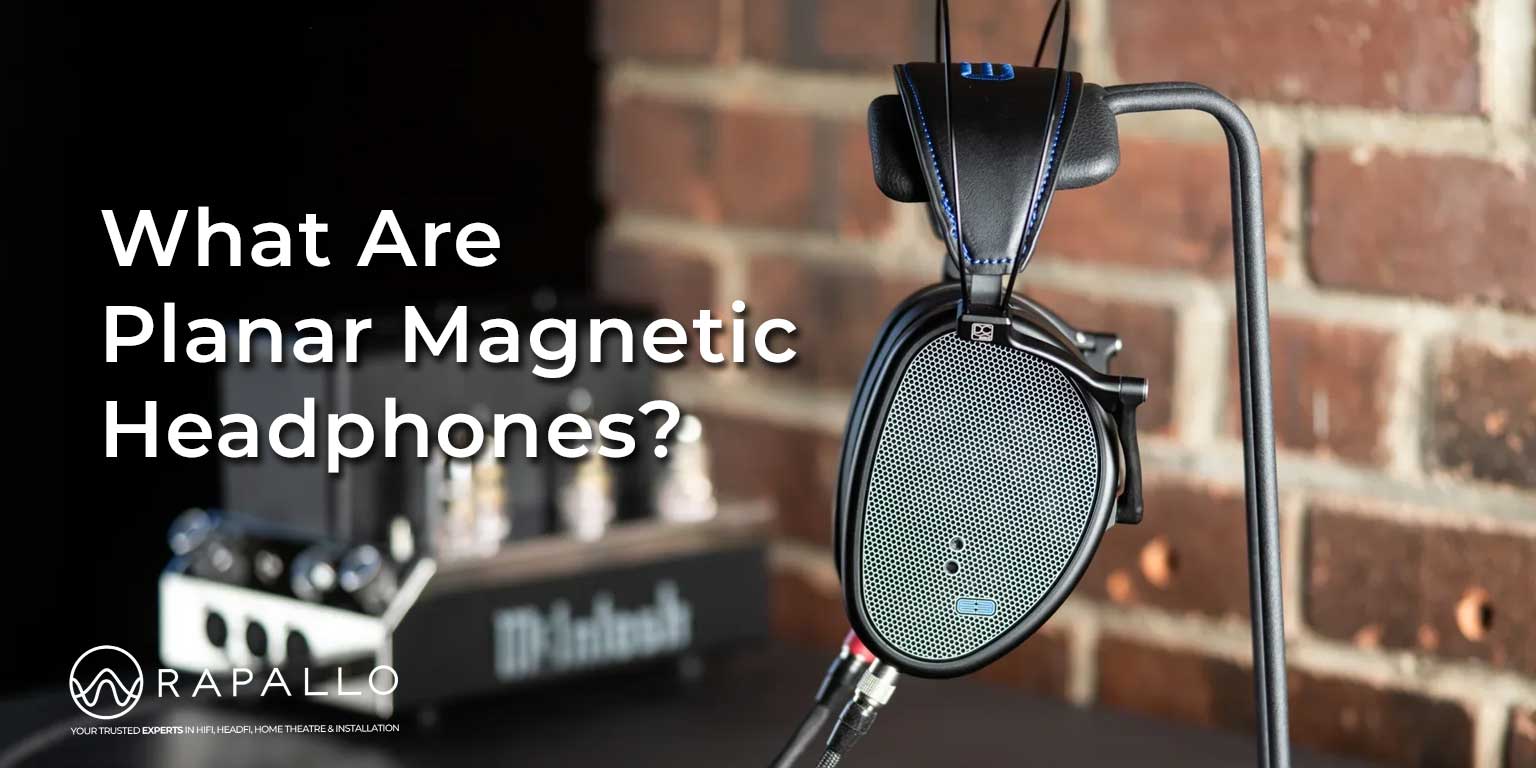
What Are Planar Magnetic Headphones?
Estimated reading time: 6 minutes
So what are Planar Magnetic Headphones? Here is our guide for curious HeadFi listeners.
If you’ve spent any time browsing audio forums, YouTube reviews, or hi-fi subreddits, you’ve probably seen people rave about planar magnetic headphones (sometimes jokingly called “magneplanar” headphones). But what exactly are they? And why do audio enthusiasts treat them with almost mystical admiration?
In this post, we’ll break down what planar magnetic headphones are, how they work, why they’re different from regular headphones, and whether they’re the right choice for you.

The Basics: What Are Planar Magnetic Headphones?
Planar magnetic headphones—often called orthodynamic or planar headphones—use a special type of driver technology to produce sound. Instead of the traditional cone-shaped driver found in most headphones (called dynamic drivers), planar magnetic headphones use a thin, flat diaphragm suspended between two layers of magnets.
In simple terms:
- Dynamic headphones = a cone vibrates to make sound
- Planar magnetic headphones = a flat membrane vibrates evenly across its surface
The result is a cleaner, more controlled sound reproduction with excellent accuracy and detail.
How Do Planar Magnetic Drivers Work?
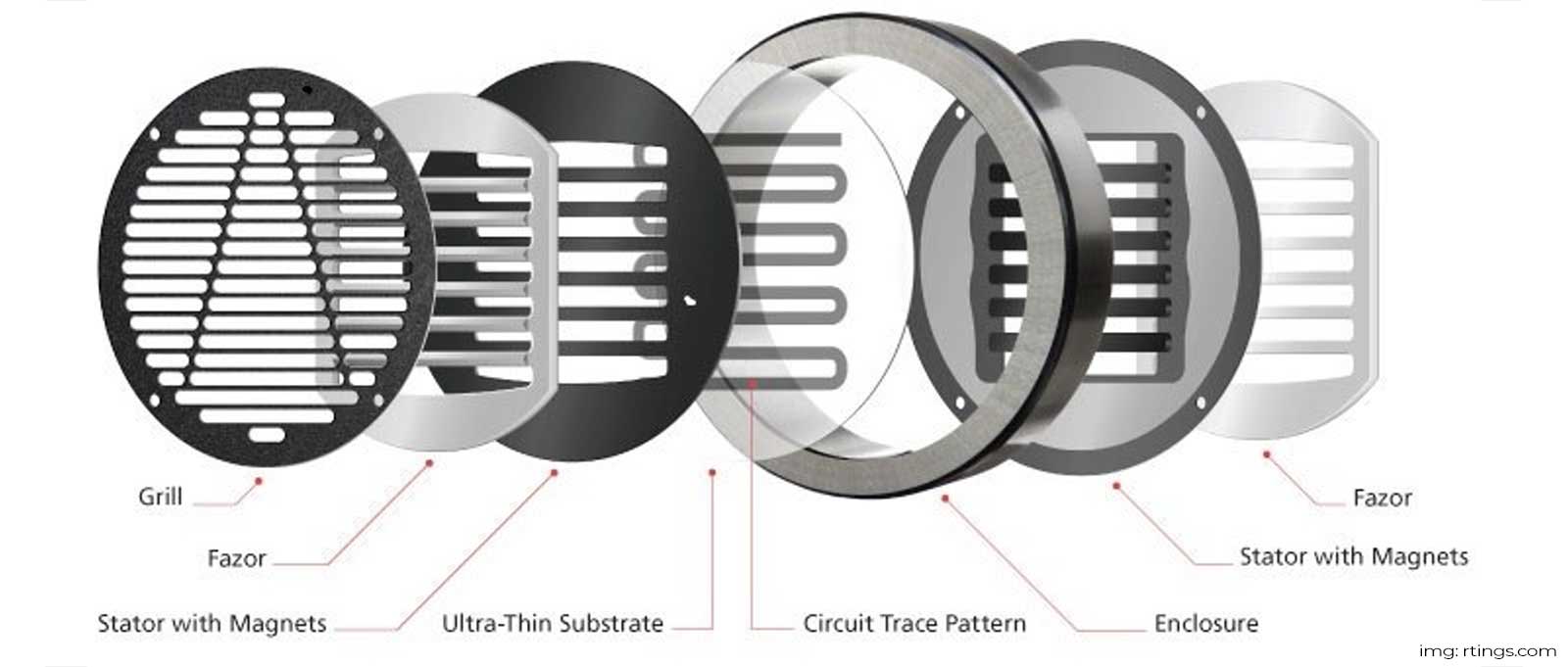
To understand the magic of planar magnetic headphones, it helps to break down the mechanism. Thankfully, the physics is more intuitive than you might think.
The three core components:
- An ultra-thin diaphragm – This is a flat sheet of flexible material—usually PET, mylar, or similar polymers. It’s extremely lightweight and contains an etched conductive circuit.
- Magnetic arrays – These are positioned on either side of the diaphragm. They create a uniform magnetic field.
- Electromagnetic force – When an electrical audio signal flows through the conductive traces on the diaphragm, it interacts with the magnetic field, generating motion.
Because the diaphragm is driven evenly across its entire surface, rather than from a single point (as in dynamic drivers), it moves in a more controlled and precise manner. That uniform motion translates directly into a highly accurate sound waveform.
Why Are Planar Magnetic Headphones Popular?
Planar magnetic headphones have surged in popularity recently, especially in the high-end and audiophile markets. Here are the main reasons why.
✔ Exceptional Clarity and Detail
Planar drivers excel at producing transparent sound with minimal distortion. The diaphragm’s uniform motion avoids the breakup or uneven vibration that can plague cone drivers.
✔ Fast Transient Response
When a sound starts or stops abruptly—like a plucked guitar string or a snare crack—planar drivers respond almost instantly. This gives music a sense of realism and accuracy.
✔ Tight, Accurate Bass
One of the biggest selling points is bass performance. Planar magnetic headphones deliver:
- deep extension
- punchy impact
- zero muddiness
Because the diaphragm is flat and controlled across its entire surface, low-frequency reproduction is remarkably clean.
✔ Low Distortion Levels
Planar headphones are known for extraordinarily low distortion even at high volumes. Audiophiles love this because the sound stays clean no matter how loud the music gets.
How Do They Compare to Dynamic Headphones?

Most mainstream headphones use dynamic drivers as they are cheap, efficient, and easy to produce. Here is a quick comparison of PM vs. DD:
Planar Magnetic Headphones
- Superior detail and accuracy
- Fast response
- Tight bass
- Low distortion
- Often heavier
- Usually require more power
- Higher cost
Dynamic Headphones
- Lighter and more portable
- More efficient, easier to drive
- Typically cheaper
- Greater diversity (from budget to high-end)
- Sound varies more between models due to design differences
Planar magnetic headphones are not inherently “better” – they just offer a different approach with certain advantages.

Are They Good for Everyday Listening?
You’ll find planar magnetic headphones in all sorts of use cases:
✔ Home listening / audiophile setups
This is where they shine. Paired with a good DAC and amp, planar headphones can deliver reference-quality sound.
✔ Gaming and cinematic audio
Because of their excellent imaging and low distortion, planar magnetic headphones create an immersive experience that many gamers love.
✔ Music production and mixing
Engineers appreciate the precision and neutrality of planar headphones for critical listening.
X Portable and travel use
This is where they are less ideal as Planars are often:
- larger
- heavier
- less efficient
- open-back (sound leaks out and in
Though some companies have made strides in portability, planar headphones are still primarily designed for desktop setups.
The Downsides of Planar Magnetic Headphones
While they offer many benefits, planar headphones aren’t perfect. Here are the typical drawbacks.
❗ Heavier Build
The magnets add weight. Planar headphones can feel bulky during long sessions unless the headband system distributes weight well
❗ Require Amplification
Many planar magnetic headphones have low sensitivity. Without a proper DAC/amp, they may not reach full potential.
❗ Generally Higher Cost
Due to the complexity of the drivers and materials, planar headphones usually cost more than comparable dynamic models.
❗ Less Portable
Most models are not designed for commuting or noisy environments.
Who Should Buy Planar Magnetic Headphones?
YES
You should consider planar magnetic headphones if you:
- want the most accurate, detailed sound possible
- enjoy high-resolution music
- use a desktop audio setup
- prefer open-back headphones
- value tight, controlled bass
- appreciate precision for gaming or mixing
NO
You may not need planars if you:
- want lightweight headphones
- need noise isolation
- prefer wireless convenience
- don’t want to invest in amplifiers
Final Thoughts: Are They Worth It?
Planar magnetic headphones represent one of the most impressive technologies in modern audio. They offer:
- unmatched clarity
- exceptionally low distortion
- fast response
- detailed soundstage
For audiophiles, music producers, and discerning listeners, planar magnetic headphones can be a revelation—delivering a sound that many describe as “life-like” or “studio-grade.”
They may cost more, and they may require better equipment to shine, but the reward is a listening experience that many people find transformative.
If you’re ready to explore sound at the next level, planar magnetic headphones are absolutely worth your attention. Talk to our team today about options for you.
- HDMI Cables Explained
 HDMI Cables Explained: What’s the Difference, and what AudioQuest Cables should you use?? Walk into any electronics store or browse…
 - How To Set Up An Audiophile Network Switch
 How to Set Up an Audiophile Network Switch: A Guide for Better Sound Quality As high-resolution music streaming becomes the…
 - Ground Cables and Turntables
 Ground Cables and Turntables, time to separate electrical fact from audiophile folklore – at least we will try. Among the…
 - What Are Planar Magnetic Headphones?
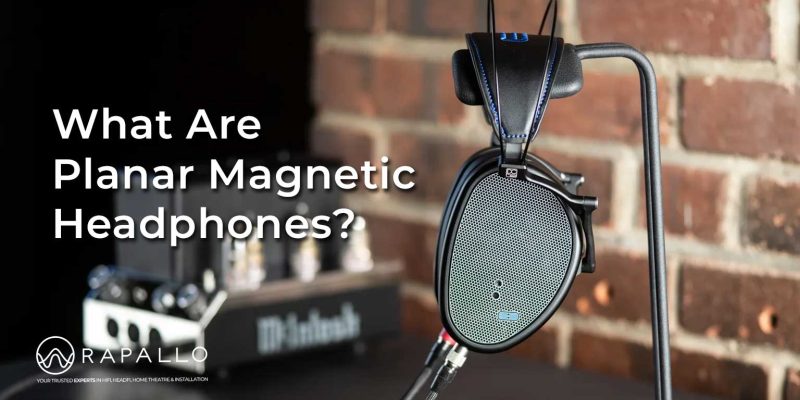 So what are Planar Magnetic Headphones? Here is our guide for curious HeadFi listeners. If you’ve spent any time browsing…
 - Open-Back vs Closed-Back
 Ah, headphones and Open-Back vs Closed-Back… Your loyal companions through late-night jam sessions, endless Zoom calls, and those “I’m totally…
 - Our Guide to Buying a CD Player
 Our Guide to Buying a CD Player. What to look for in today’s market and why CD Players still matter.…
 NZ AV specialists available to help before or after your purchase
 1,750+ verified product reviews from genuine NZ verified purchasers
 Secure checkout & local warranty, we look after you
 NZ price match on identical products so you know you are getting the right price