HDMI Cables Explained
Estimated reading time: 7 minutes
HDMI Cables Explained: What’s the Difference, and what AudioQuest Cables should you use??
Walk into any electronics store or browse online, and you’ll quickly notice something confusing about HDMI cables: prices range from under $10 to several hundred dollars. They all look similar, they all say “HDMI,” and yet brands like AudioQuest command a premium and loyal following. So what’s actually different between HDMI cables, and when does a higher-end option make sense?
Let’s break it down in plain English.

First Things First: What an HDMI Cable Does
An HDMI cable carries digital audio and video from one device to another, think Blu-ray player to TV, game console to monitor, or streaming box to soundbar. Because the signal is digital, HDMI works on an “all or nothing” principle:
- If the signal arrives intact, you get perfect sound and picture
- If it doesn’t, you’ll see dropouts, sparkles, audio cutouts, or no signal at all
This is why people often say, “all HDMI cables are the same.” That’s partly true, but not the whole story.
HDMI Cable Types (The Part That Really Matters)
HDMI cables are grouped by three distinct performance levels, not by HDMI version numbers.
ONE | High Speed HDMI
- Good for:
- HD and basic 4K
- Older TVs and receivers
- Limitations:
- Not reliable for modern HDR or high frame rates
TWO | Premium High Speed HDMI
- Designed for:
- 4K at 60Hz
- HDR formats like HDR10 and Dolby Vision
- This is the most common “modern” HDMI cable category
THREE | Ultra High Speed HDMI
- Required for:
- 4K at 120Hz
- 8K
- Advanced gaming features
- eARC audio
- Essential for PlayStation 5, Xbox Series X, and newer TVs
If you’re upgrading equipment, this classification matters more than brand or price.
So Where Does AudioQuest Fit In?
AudioQuest is best known in the hi-fi world for its speaker cables, interconnects, and power products. Their HDMI lineup applies the same philosophy: focus on build quality, materials, and electrical noise reduction, rather than just meeting minimum specs. AudioQuest HDMI cables are offered in a clear tiered range, from affordable to premium:
- Pearl
- Forest
- Cinnamon
- Vodka
- Carbon
- ThunderBird
- Dragon
This tiering makes it easier for consumers to choose a product based on system quality and budget.

What Makes AudioQuest HDMI Cables Different?
1. Better Materials (Not Just Marketing)
As you move up the AudioQuest range, the cables use:
- Higher-purity copper
- Silver-plated or solid silver conductors
- Tighter manufacturing tolerances
Why does this matter? At very high data rates (like 4K HDR or 4K@120Hz), signal integrity becomes harder to maintain. Better conductors help preserve clean transitions between digital “ones and zeros,” especially over longer runs.
2. Noise and Interference Control
Modern entertainment systems are noisy environments:
- Wi-Fi routers
- Power supplies
- Game consoles
- Streaming boxes
AudioQuest places strong emphasis on:
- Shielding
- Direction-controlled conductors
- Carbon-based noise dissipation layers (on higher models)
While this doesn’t “improve” picture quality beyond perfect, it can reduce:
- Intermittent dropouts
- Handshake issues
- Audio glitches (especially with eARC)
3. Directional Design (Yes, Really)
AudioQuest HDMI cables are directional, meaning they’re designed to be connected source → display in a specific orientation. This isn’t about sound quality magic; it’s about controlling how noise drains away from sensitive electronics.
For consumers, it’s simple: follow the arrows on the cable.
4. eARC and Audio Performance Focus
If you use:
- A soundbar
- An AV receiver
- Dolby Atmos or lossless audio formats
Then HDMI audio reliability matters just as much as video. AudioQuest’s higher-end HDMI cables are particularly popular in home theatre and hi-fi systems where users rely on eARC for high-quality audio return from TV apps.
Do Expensive HDMI Cables Improve Picture or Sound?
This is the big question.
Short answer: No certified HDMI cable can make your picture “better than perfect.”
Longer, honest answer: Premium cables like AudioQuest don’t enhance image quality, they aim to ensure stability, especially in demanding setups.
Where people notice differences:
- Fewer dropouts
- More reliable 4K HDR handshake
- Stable Atmos audio over eARC
- Less frustration during system upgrades
In simpler systems, you may never notice a difference. In complex or high-end systems, you often do.
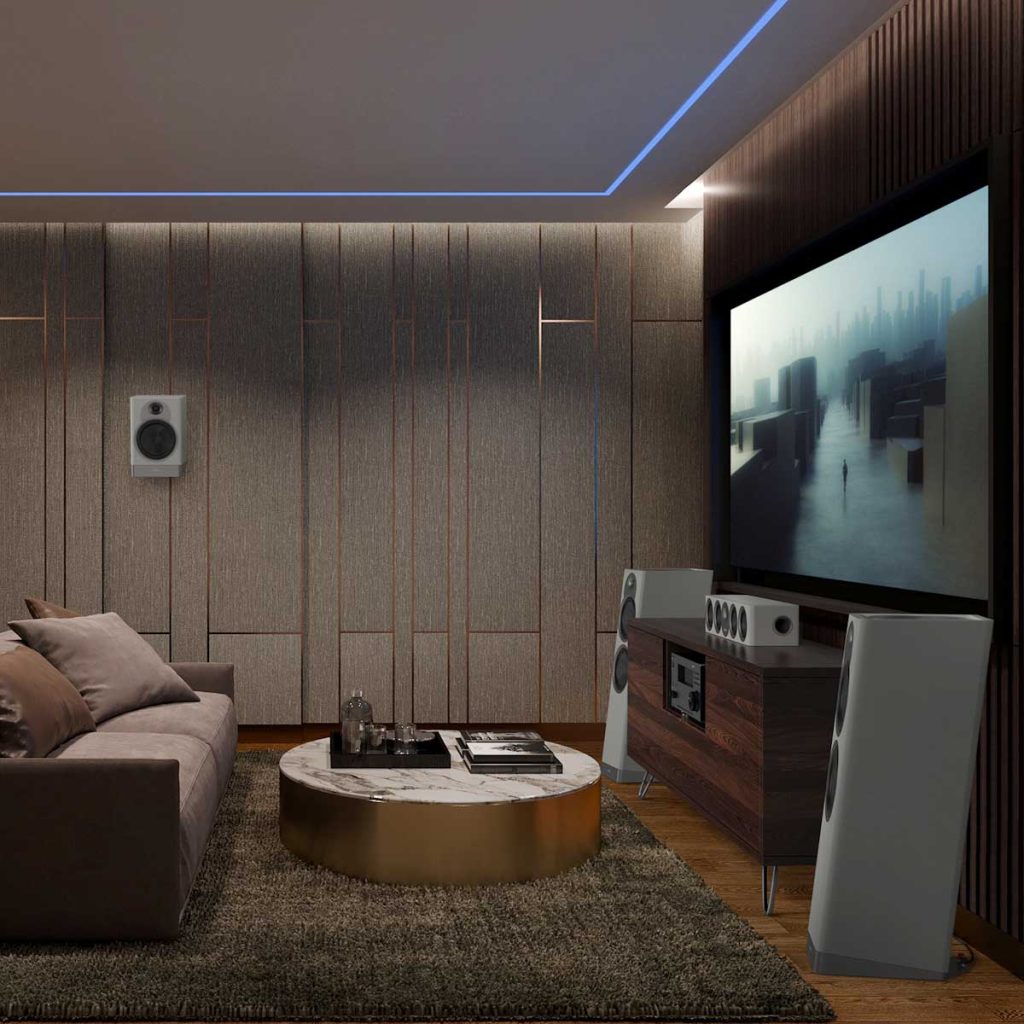
When an AudioQuest HDMI Cable Makes Sense
AudioQuest HDMI cables are not for everyone, and they’re not meant to be.
They make the most sense if:
- You own a mid-to-high-end TV or projector
- You use a soundbar or AV receiver with eARC
- You game at 4K/120Hz
- You want long-term reliability
- Your system already represents a significant investment
If your setup is a basic TV with a streaming stick, a certified budget cable will likely be fine.
When You Don’t Need to Spend More
You probably don’t need AudioQuest HDMI cables if:
- You’re watching HD or basic 4K content
- Your cables are short (1–2 m)
- You’re not using HDR, eARC, or gaming features
- Your equipment is entry-level
In these cases, certification matters more than brand.
HDMI certification is an official testing and verification program run by HDMI Licensing that confirms an HDMI cable meets the performance requirements of a specific HDMI cable level. In simple terms, it proves that a cable can reliably handle the resolution, refresh rate, and features it claims to support.
Certified HDMI cables are tested for bandwidth, signal integrity, and resistance to interference, ensuring they work consistently across different devices. This is especially important for modern features like 4K HDR, high frame rates, and eARC audio, where marginal cables can cause dropouts or compatibility issues. Certified cables are clearly labelled as Premium High Speed or Ultra High Speed and include a hologram or QR code that allows consumers to verify authenticity, giving confidence that the cable will perform as expected in real-world systems.
Choosing the Right AudioQuest HDMI Cable
A simple guide:
- Pearl / Forest → Solid choice for standard 4K
- Cinnamon / Carbon → Ideal for HDR, eARC, and premium TVs
- Vodka and above → High-end home theatre and audiophile systems
You don’t need to “future proof” beyond your equipment, match the cable to your system, not your aspirations.
Our Final Thoughts
HDMI cables are not magic, but they’re also not all the same. Brands like AudioQuest exist in the space between “cheap and cheerful” and “overkill,” focusing on reliability, engineering, and system matching rather than bold claims of better picture quality.
For many people, a certified HDMI cable is all they’ll ever need. For others especially those with carefully chosen TVs, sound systems, and gaming gear AudioQuest HDMI cables offer peace of mind, consistency, and long-term value.
In the end, the best HDMI cable is the one that quietly does its job and never gives you a reason to think about it at all.
AudioQuest HDMI Buyer’s Guide
| AudioQuest Model | HDMI Category | Best For | Key Features | Typical Buyer |
|---|---|---|---|---|
| Pearl | High Speed / Premium High Speed | HD & basic 4K systems | Solid Long-Grain Copper conductors, reliable build quality | Everyday TV setups, streaming boxes, older 4K TVs |
| Forest | Premium High Speed | 4K @ 60Hz with HDR | Higher-purity copper, improved shielding | Modern 4K TVs, Apple TV, Netflix / Disney+ HDR users |
| Cinnamon | Premium High Speed | 4K HDR + eARC audio | Silver-plated conductors, better noise control | Soundbar users, Dolby Atmos (compressed), premium TVs |
| Carbon | Premium High Speed / Ultra High Speed (short lengths) | Demanding 4K HDR systems | Carbon-based noise dissipation, tighter tolerances | Home theatre owners seeking stability and reliability |
| Vodka | Ultra High Speed | 4K @ 120Hz gaming & advanced home cinema | Silver-plated conductors, enhanced EMI rejection | PS5 / Xbox Series X gamers, high-end AV receivers |
| ThunderBird | Ultra High Speed | High-performance 4K/8K systems | Direction-controlled conductors, advanced shielding | Serious home theatre and dedicated cinema rooms |
| Dragon | Ultra High Speed | Flagship home cinema | Solid silver conductors, maximum noise dissipation | No-compromise audiophile and reference systems |
- Setting Up a Projector for a Golf Simulator
 A great golf simulator isn’t just about the launch monitor and software, the projector is what sells the illusion. The…
 - What Streaming Platform Should I Use?
 PlayFi vs HEOS vs MusicCast vs BluOS: Which Whole-Home Audio System Is Right for You? Imagine this: you wake up,…
 - HDMI Cables Explained
 HDMI Cables Explained: What’s the Difference, and what AudioQuest Cables should you use?? Walk into any electronics store or browse…
 - How To Set Up An Audiophile Network Switch
 How to Set Up an Audiophile Network Switch: A Guide for Better Sound Quality As high-resolution music streaming becomes the…
 - Ground Cables and Turntables
 Ground Cables and Turntables, time to separate electrical fact from audiophile folklore – at least we will try. Among the…
 - What Are Planar Magnetic Headphones?
 So what are Planar Magnetic Headphones? Here is our guide for curious HeadFi listeners. If you’ve spent any time browsing…
Key Takeaways
- HDMI cables vary significantly in price and purpose, from budget options to premium brands like AudioQuest.
- The key difference lies in performance levels: High Speed, Premium High Speed, and Ultra High Speed HDMI are designed for different uses.
- AudioQuest HDMI cables are known for their quality materials and robust designs, focusing on reliability and minimal interference.
- Consumers need to match HDMI cables to their system requirements, not overspend based on brand; this applies particularly to AudioQuest cables.
- For basic setups, any certified HDMI cable suffices, while higher-end systems benefit from premium options for better stability and performance.
 NZ AV specialists available to help before or after your purchase
 1,750+ verified product reviews from genuine NZ verified purchasers
 Secure checkout & local warranty, we look after you
 NZ price match on identical products so you know you are getting the right price